


Kalshi expands touchdown props despite legal battles

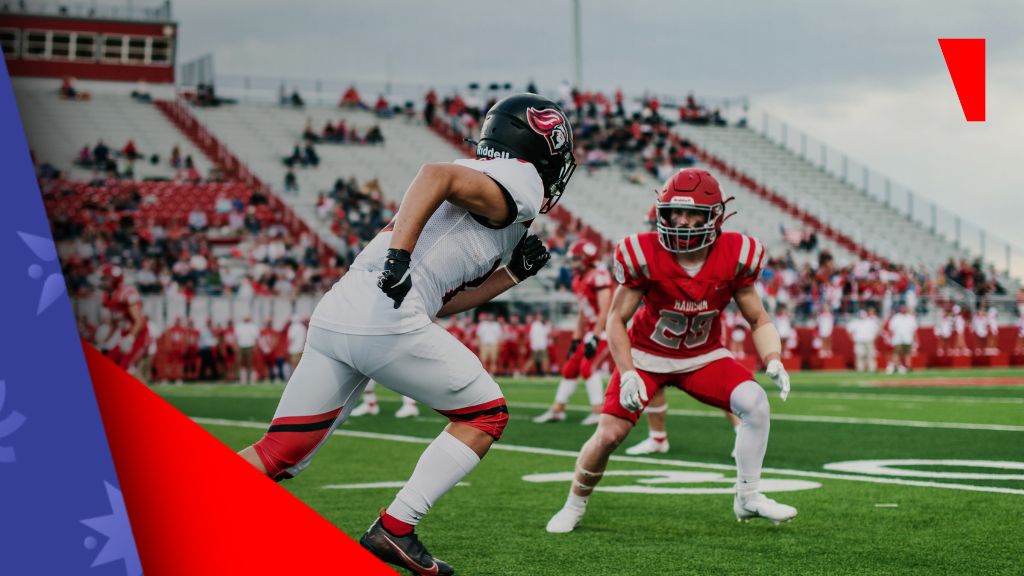
Kalshi, a federally regulated prediction exchange, has submitted a proposal to offer betting markets on football matches, including point spreads, over/unders, and touchdown scorers. However, the launch is contingent upon approval from the Commodity Futures Trading Commission (CFTC) and may encounter resistance from both state and federal regulators.
Kalshi’s proposed football markets
Kalshi has proposed three distinct types of football-related prediction markets. The first involves point spread contracts, which determine whether a team will win by a specified margin, such as seven points. Although this model is structured within a licensed exchange, it operates similarly to traditional sportsbooks.
The second type centres on over/under contracts. These contracts ask whether the total points scored in a particular segment of a match such as the first quarter will be above or below a set figure, such as 14.5. This indicates that Kalshi may offer predictions not only for full matches but also for individual quarters and halves.
The third category focuses on player-specific outcomes, such as whether a particular player will score a touchdown in the second half. This resembles player prop bets commonly found on traditional sports betting platforms.
The CFTC’s role in approval
Sportsbooks like DraftKings and FanDuel generate significant revenue from betting categories such as props, spreads, and totals. Kalshi’s proposal to bring these types of bets into a federally regulated exchange aims to offer a more structured alternative and potentially reduce the influence of the $84 billion illegal betting market.
When a registered exchange such as Kalshi wishes to introduce a new contract type, it must submit a self-certification to the CFTC. The CFTC may reject the proposal, initiate a 90-day public interest review, or take no action, allowing the market to go live automatically. Notably, the CFTC has never rejected a self-certification in its 50-year history.
Market categories explained
Kalshi has outlined three categories for its football prediction markets. The first, known as FOOTBALLSPREAD, involves contracts on whether a team will win by a certain margin. The second, FOOTBALLTOTALS, concerns the total number of points scored, either overall or by quarter. The third, FOOTBALLTOUCHDOWN, covers football touchdown outcomes based on players or teams.
However, state-level restrictions could complicate Kalshi’s plans. For example, Ohio prohibits wagering on college player props. States may argue that local gaming laws override Kalshi’s federally regulated markets, potentially leading to legal disputes between states.
Kalshi vs. illegal market
Kalshi’s CEO, Tarek Mansour, believes that offering regulated contracts for sports outcomes can provide stronger protections for bettors and help shift activity away from the estimated $84 billion illegal betting market in the United States.
Mansour stated, “Bringing these markets under CFTC oversight gives consumers the same level of protection as Wall Street traders and institutions. Kalshi is bringing more liquidity, efficiency, and price competition to markets in the $400 billion sports industry, and our traction so far is testament to that.”
Kalshi has previously offered parlay-style bets on events such as the Oscars and Grammys. If its proposed sports contracts are approved, sports parlays will likely follow. Kalshi has also outlined specific rules for player prop markets. A player must participate in at least one snap for the contract to be valid. If the player does not play, the contract settles at the last fair market price. Only touchdowns that are physically scored count passing touchdowns do not.
Certain individuals are barred from participating. NFL players, coaches, staff, and their families are prohibited from betting. For college matches, the restriction applies to staff and players of the teams involved.
Legal battles across states
Due to its sports prediction markets, Kalshi is facing lawsuits in several states. Maryland was able to impose a cease-and-desist order after a federal judge ruled that state gaming laws are not overridden by federal regulations. The case is now with the Fourth Circuit Court of Appeals.
A judge in New Jersey granted Kalshi a preliminary injunction, suggesting that state restrictions are likely overridden by federal law. The Third Circuit is currently reviewing the state’s appeal.
In Nevada, Kalshi also secured a preliminary injunction, with the court agreeing that federally approved exchanges are exempt from state gambling bans. The case remains ongoing, with Nevada requesting further details about Kalshi’s operations.
The CFTC is currently investigating whether Kalshi’s sports contracts constitute unlawful gaming at the federal level. Following the appointment of Kalshi board member Brian Quintenz as CFTC chair, political scrutiny has intensified, raising concerns about potential regulatory conflicts. The outcome of these legal and regulatory proceedings will determine Kalshi’s future.
If approved, Kalshi could become the first large-scale regulated sports prediction exchange. It may expand beyond football into other sports, such as basketball and baseball. Institutional participation could also enhance liquidity.


