


Kazakhstan to open additional regions to casino development

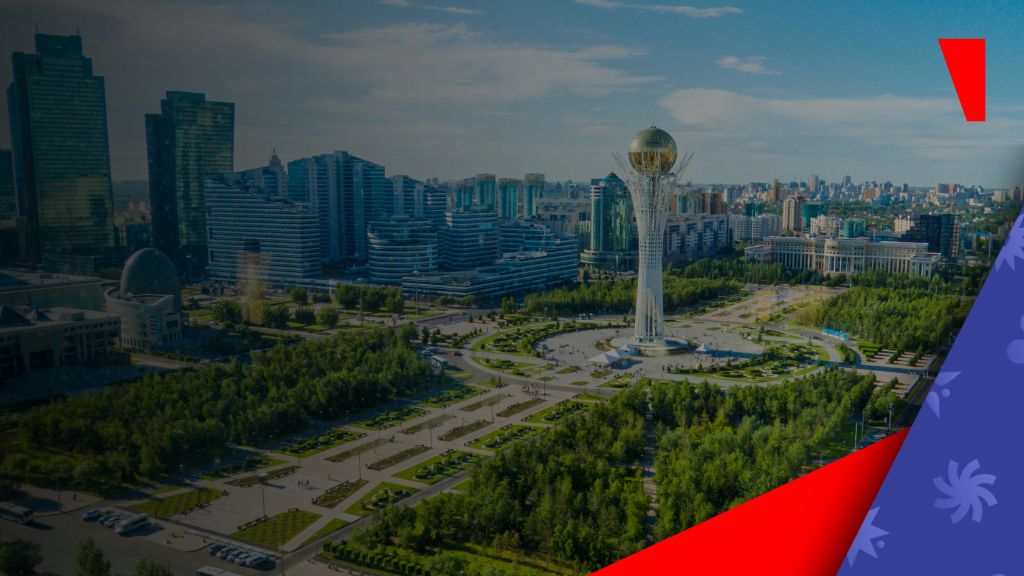
Kazakhstan is preparing to broaden its regulated gambling landscape after lawmakers in the Mazhilis approved amendments allowing the creation of new casino zones across several regions. According to the report of Kursiv Media, the move builds on the country’s existing framework, which currently limits casino operations to Borovoe in the Akmola region and Qonaev in the Almaty region.
Under the new law, casinos may also be established along the Caspian Sea coast in the Mangystau region, at Lake Alakol in the Panfilov district, and in parts of the Zhetysu, Almaty, and East Kazakhstan regions. The legislation passed its second reading in the lower house of parliament, clearing a key procedural step before it can be enacted. Once in force, it will allow authorities to begin planning the practical rollout of the new zones.
Role of regional authorities in site section
The report said that while the central government will define the boundaries of the new gambling zones, responsibility for choosing specific land plots will rest with regional administrations. It added that the decentralised approach is intended to ensure that casino projects align with local infrastructure capacity, transport links, and broader development plans.
The country’s Ministry of Tourism and Sport said that decisions on exact locations will depend on factors such as road access, utilities, proximity to existing tourist attractions, and the readiness of surrounding services. The local media report also said that the government has left room for further adjustments, indicating that zone boundaries could be expanded in the future if economic or logistical conditions warrant it.
This structure mirrors models used in other jurisdictions where gambling is confined to designated areas and overseen jointly by national and local authorities.
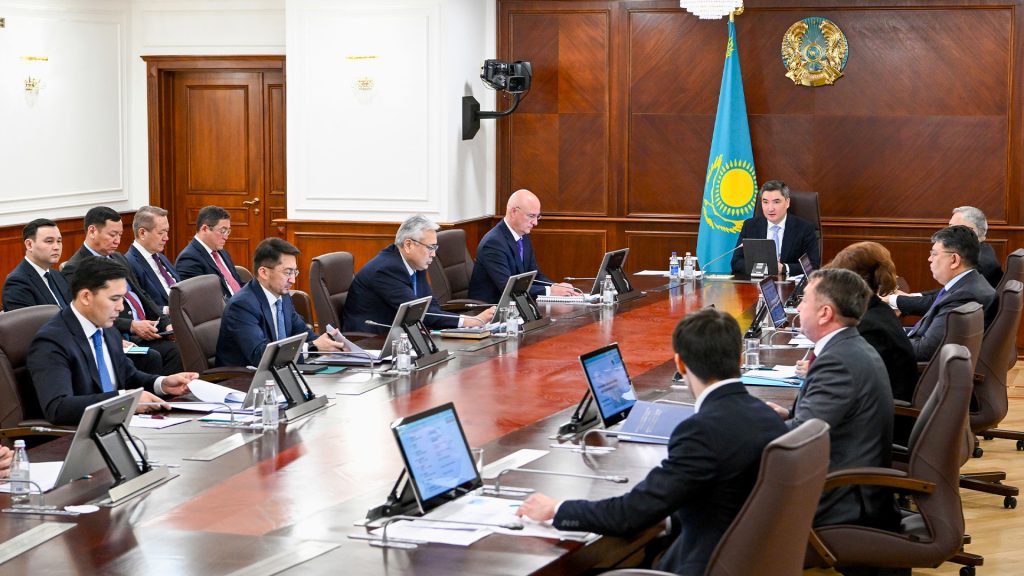
Tourism growth
The push to expand casino zones comes against the backdrop of rising tourism activity and investment in Kazakhstan. According to local media reports, between January and October 2025, investment in the tourism sector rose by more than 38 percent year on year to 923 billion tenge, or about $2 billion, reflecting growing interest from both domestic and foreign investors.
Visitor numbers have also increased. Government data shows that 12.1 million foreign nationals visited Kazakhstan for tourism purposes between January and September, with 8.6 million staying for more than one day. Reports said that domestic travel has remained robust, with millions of residents using accommodation facilities across the country.
Economic expectations and tax revenues
According to the local media report, the Ministry of Tourism and Sport estimates that the planned casinos could generate between $4 million and $6 million in tax revenues each year and create around 500 jobs. Officials have stressed that the tax burden on gambling operators will not be reduced as part of the expansion, signalling an intent to maintain fiscal discipline while encouraging investment.
Beyond direct tax income, the government expects indirect economic effects through construction, hospitality, and related services. Several of the proposed zones, such as Mangystau and Lake Alakol, are already the focus of broader resort development plans aimed at improving infrastructure, safety, and logistics.
In 2025, authorities completed an inventory of key resort zones. They prepared a roadmap for resort development through 2028, alongside longer-term plans extending to 2029 in areas such as Shchuchinsk-Borovoye and Mangystau.
Balancing expansion with social concerns
However, the report also mentioned that the casino expansion has sparked debate because it follows the adoption of new legislation aimed at combating gambling addiction among Kazakh citizens. Critics have questioned whether widening access to casinos could undermine efforts to address problem gambling.
Government officials argue that the risks can be managed through strict zoning, regulation, and enforcement. Surveys conducted by the ministry indicate that residents in areas earmarked for new casinos have not expressed opposition to the plans. The authorities also expect that the main customer base will be foreign nationals rather than local players, particularly in resort destinations and border regions.
Step inside the world’s biggest iGaming community. Join HERE for weekly updates from the world’s iGaming authority and unlock subscriber-only offers.


