


Minnesota pushes bills targeting sweepstakes, prediction markets

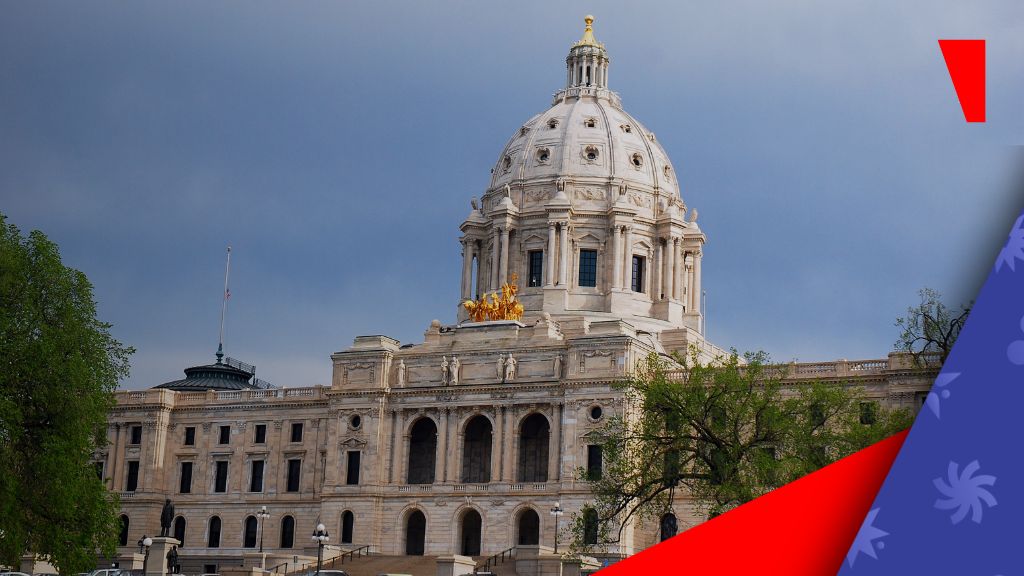
Minnesota lawmakers have introduced two bills aimed at restricting grey-market gambling platforms, including sweepstakes casinos and prediction markets. The proposals, Senate File 4474 and Senate File 4511, would ban certain online sweepstakes games and make it a felony to operate or promote prediction markets tied to events such as sports or politics. Sen. Jordan Rasmusson sponsors the sweepstakes casino ban, while Sen. John Marty leads the bill focused on prediction markets, reflecting bipartisan support for increased regulation of these platforms.
Sweepstakes casino ban bill
Minnesota’s SF 4474 seeks to shut down sweepstakes casinos that use a dual-currency system, one for gameplay and another redeemable for cash, allowing them to operate in a legal loophole. The bill labels any online promotion that mimics casino-style games and uses such currencies as gambling, effectively bringing nearly all sweepstakes casino models under regulation.
The whole sweepstakes casino ecology would be impacted by the proposed ban. In an effort to remove all the layers that allow these platforms to operate in Minnesota, it would forbid participation from promoters, affiliates, developers, payment processors, banks, geolocation companies, content providers, and media partners in addition to operators.
Enforcement and legal implications
Enforcement of Minnesota’s proposed sweepstakes casino ban would fall to the commissioner of public safety and the attorney general. They would have the authority to block companies or affiliates that knowingly profit from these platforms, giving the law a clear enforcement mechanism.
If passed, the measure could shut down sweepstakes casinos in the state quickly. However, regulators acknowledge that demand for these services may not disappear. Users could turn to offshore platforms, where oversight is limited, raising questions about how effective the ban would be in curbing overall activity.
Outlawing prediction markets
Minnesota’s SF 4511 takes aim at prediction markets by classifying them as illegal gambling. In simple terms, the bill would make certain event-based wagers unlawful, which could lead to platforms offering bets on real-world outcomes being shut down.
The scope of prohibited wagers includes sports results and political elections; areas lawmakers consider particularly sensitive. The bill also extends to bets on catastrophes, wars, natural disasters, and death-related events. Lawmakers contend that gaining money off of such results presents moral as well as legal issues, which is why prediction markets should be subject to more stringent regulation.
Advertising and marketing restrictions
Additionally, advertising associated with gaming platforms is restricted by Minnesota’s proposed legislation. Because of concerns about youth exposure, advertisements would not be allowed in places where at least 10 percent of the audience is under 21.
Additionally, the bill forbids advertising in close proximity to playgrounds, schools, and other public areas. The objective, according to lawmakers, is to limit the impact of gambling advertising on younger and more vulnerable populations and to lessen exposure in everyday settings.
Penalties and long-term consequences
SF 4511 would significantly escalate Minnesota law’s treatment of prediction markets by imposing felony sanctions for infractions. A 10-year ban from having any licence related to gambling would also be imposed on those found guilty. This policy, according to lawmakers, is meant to discourage participation and may have long-term consequences for businesses and jobs associated with the gaming sector.
States targeting sweepstakes & prediction markets
A larger national trend is reflected in Minnesota’s efforts to regulate grey-market gambling. With fines of up to $100,000, Indiana recently approved laws prohibiting sweepstakes casinos. Additionally, Maine has taken action, designating sweepstakes websites as illegal gaming.
Legislation that would limit bets associated with political and sporting events is being considered in Hawaii and Illinois. When taken as a whole, these measures demonstrate that states all around the nation are taking steps to strengthen regulations pertaining to prediction markets and sweepstakes, indicating growing worry over their explosive growth.
Stay in the loop and join the biggest iGaming Community in the world with SiGMA’s Top 10 news countdown. Subscribe HERE for weekly updates from the world’s iGaming authority and exclusive subscriber-only offers.


