


NFL, DraftKings and FanDuel sued over microbetting addictions

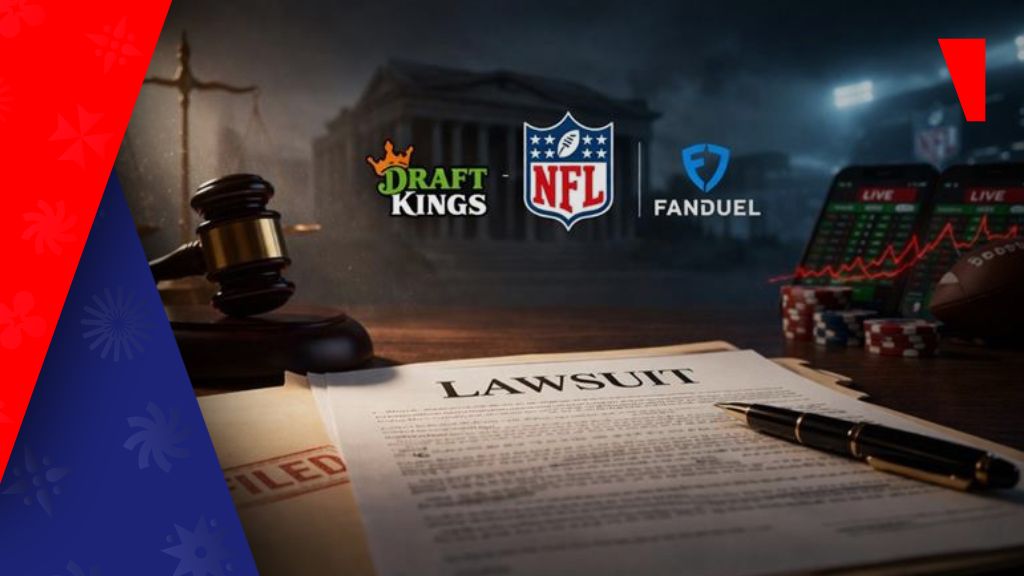
A lawsuit filed in Philadelphia accuses sportsbooks FanDuel and DraftKings of using data supplied by the National Football League (NFL) to offer and profit from an “inherently dangerous product” designed to maximise gambling addiction through live in-game microbetting.
The complaint, lodged by the Public Health Advocacy Institute (PHAI) in Pennsylvania, also names NFL’s data partner, Genius Sports, as a defendant. The firm supplies official real-time sports data used to power more than 98 percent of the US sports betting market, including microbetting features.
Allegations of addictive design and AI targeting
The lawsuit, Sage and Thompson v. DraftKings, Inc et al., claims the defendants use advanced technologies such as artificial intelligence and machine learning to drive compulsive betting behaviour. According to the filing, these systems continuously push users towards placing rapid, repetitive microbets during live sporting events.
Microbetting allows wagers on split-second outcomes, such as the next play in American football, creating what the claim describes as a high-frequency betting environment that can accelerate addiction.
Plaintiffs claim severe financial and personal harm
The case has been brought by Pennsylvania residents Christopher Sage and Terry Thompson, who allege they developed serious gambling disorders after using the DraftKings and FanDuel apps.
According to the complaint, both men were encouraged to continue betting through persistent push notifications and direct contact from assigned “VIP hosts”. These representatives allegedly offered incentives, including event tickets, luxury hospitality and gifts, to keep them engaged.
The filing further claims that such contact continued even after one plaintiff attempted to stop gambling, raising concerns about safeguards and responsible gambling practices.
NFL’s financial ties under scrutiny
A central focus of the lawsuit is the NFL’s relationship with Genius Sports. The league is accused of playing a dual role, both promoting betting through partnerships and profiting directly from the underlying infrastructure.
The complaint states that the NFL previously held the largest shareholder position in Genius Sports between 2021 and 2025 and remains its second-largest shareholder. Through this relationship, the league licenses official game data used to enable real-time betting markets.
PHAI argues this creates a financial incentive structure where increased betting activity, including losses by consumers, benefits both Genius Sports and, indirectly, the NFL.
Legal claims and regulatory backdrop
The plaintiffs are seeking damages under Pennsylvania consumer protection laws, alongside claims including negligence, design defects, and failure to warn users about the risks of addiction.
The lawsuit comes amid continued growth in the US sports betting market following the Murphy v. NCAA ruling, which allowed states to legalise gambling. Since then, the industry has expanded rapidly, with annual revenues reaching nearly 17 billion dollars in 2025.
The American Gaming Association announced today that commercial sports betting revenue hit $16.96 billion in 2025, up 22.8%, and on handle of $166.94B, which was up 11%. Sportsbooks paid $3.71B in taxes to states as well, up 32.4%. pic.twitter.com/MvmZbcnU2Z
— Geoff Zochodne (@GeoffZochodne) February 26, 2026
The complaint also highlights that gambling addiction is classified alongside substance addictions in diagnostic frameworks used by the World Health Organisation and the American Psychiatric Association.
Industry comparison to tobacco litigation
PHAI likens the case to historic legal action against tobacco companies, arguing that betting platforms are engineered to maximise user dependency. Andrew Rainer, litigation director at PHAI, said the industry had created a “highly addictive, difficult-to-resist product” that generates billions while leaving “a trail of devastated victims”.
The case has been filed in the Philadelphia Court of Common Pleas, with plaintiffs seeking a jury trial, financial compensation, and restrictions on the alleged practices.
NFL and gambling addiction concerns
In August 2025, the NFL launched the NFL Super Bowl Slots in partnership with Aristocrat Leisure Limited. However, shortly after, critics warned that it could fuel addiction and act as a gateway to real-money betting. The product was billed as the “first-ever NFL-licensed free-to-play social casino game” and the league stressed that the app is not legally gambling.
In related news, the NFL reinforced its gambling rules after the NBA scandal that shook the sports industry last year. The NFL urged executives, head coaches, and other personnel to remind players about the NFL Gambling Policy, emphasising that players are strictly prohibited from betting on NFL games or participating in any form of illegal gambling, whether sports-related or not.
The NFL has deepened its commercial ties with gambling operators in recent years. In 2024, the US sports betting industry generated $13.78 billion in gross gaming revenue (GGR), up 24.8 percent, driven by a 27 percent increase in online revenue. The league has sponsorship deals with several sportsbooks and has embraced betting as a key revenue driver.
Subscribe HERE to SiGMA’s Top 10 News countdown and SiGMA’s weekly newsletter to stay up to date with all the latest iGaming News from the biggest iGaming community in the world and benefit from subscriber-only offers.


