


Philippines eyes KYC, minimum bets to curb online gambling


The Marcos administration is considering stricter know-your-customer (KYC) requirements to address concerns over online gambling. According to a local media report, Frederick Go, Special Assistant to the President for Investment and Economic Affairs, stated that stronger verification protocols could prevent individuals under the legal gambling age from participating.
Proposals include raising the minimum bet amounts and imposing an entry fee for online platforms, mirroring practices in other jurisdictions such as Singapore. Go said that the measures are aimed at discouraging frequent betting and limiting access for those with limited resources. He added that by increasing the cost of participation, policymakers hope to reduce impulsive or high-risk gambling behaviour.
National ID integration to support restrictions
Meanwhile, the Department of Economy, Planning, and Development (DepDev) sees the Philippine Identification System (PhilSys) as a tool for regulating online gambling. According to DepDev Secretary Arsenio Balisacan, integrating the national ID with other government databases will allow authorities to enforce targeted restrictions. This could prevent social protection beneficiaries from placing online bets.
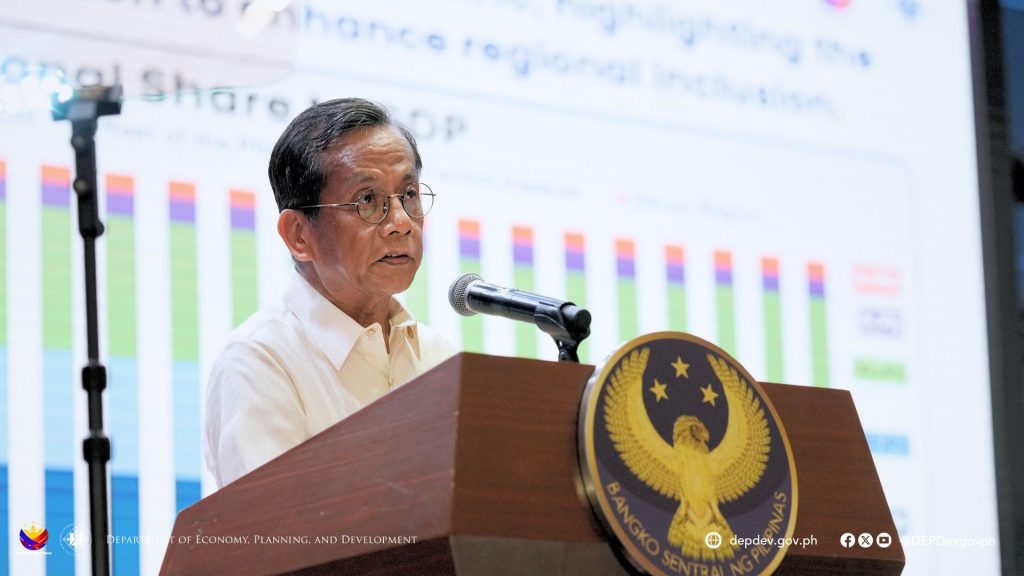
Balisacan said that the integration process is ongoing, linking PhilSys with various agencies, including the Department of Foreign Affairs (DFA), the Social Security System (SSS), and the Government Service Insurance System (GSIS). As of June 2025, over 93 million Filipinos have registered for the national ID, with more than 54 million already holding physical cards. The Secretary said that full integration is expected within one to two years, enabling faster government transactions and reducing duplication in the distribution of benefits.
Once operational, Balisacan said the system could help enforce prohibitions on gambling for vulnerable households, as well as verify user eligibility for online platforms. The administration views it as a potential enforcement mechanism for any forthcoming online gambling regulations.
Policy review and stakeholder consultations
President Ferdinand “Bongbong” Marcos Jr. had earlier announced plans for a “conclave” that would gather various stakeholders to discuss the future of online gambling policy. The meeting will include representatives from different religious groups, educators, parents, law enforcement officials, and addiction specialists. The goal is to examine the socio-economic impact of the activity and weigh potential approaches, including regulation and prohibition.
Marcos has cautioned against a blanket ban, noting that similar measures in the past have pushed gambling operations underground. He said comprehensive discussions and evidence-based analysis must inform any decision.
Senate to open inquiry
Parallel to the executive branch’s consultations, the Senate committee on games and amusement will hold an inquiry on 14 August to examine measures aimed at curbing the adverse effects of online gambling. Committee Chair Senator Erwin Tulfo has raised concerns about unregulated betting, which has allowed minors to participate and left players without spending limits.
The committee will review several bills and resolutions, including proposals from Senator Sherwin Gatchalian to prohibit e-wallet platforms from directly linking to gambling sites. This measure aims to limit accessibility and prevent the rapid transfer of funds to betting platforms, which critics say fuels gambling addiction.
Expert warns total ban may backfire
Last month, Marie Antonette Quiogue, Co-Founder and CEO of Arden Consult, warned that banning online gambling entirely could backfire – driving it underground, weakening oversight, and undoing progress made under the current legal framework. In her LinkedIn post, Quiogue emphasised that any legislative measure must be built on “accurate knowledge, comprehensive data, and global perspectives.” She further said that an informed and nuanced legislative approach is crucial for addressing the genuine challenges posed by online gambling.


