


Tengco: Illegal gaming, not regulation, is the real threat

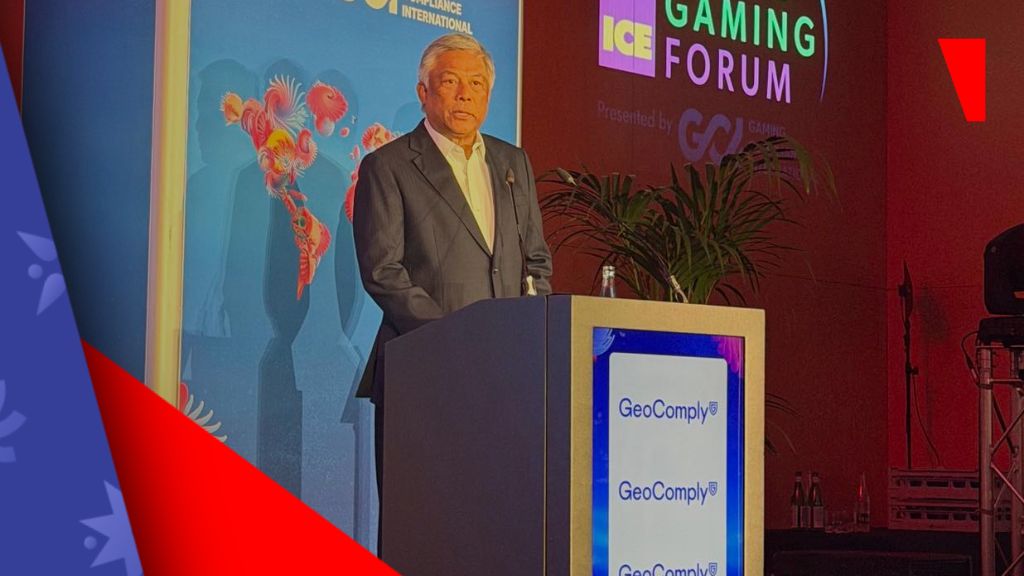
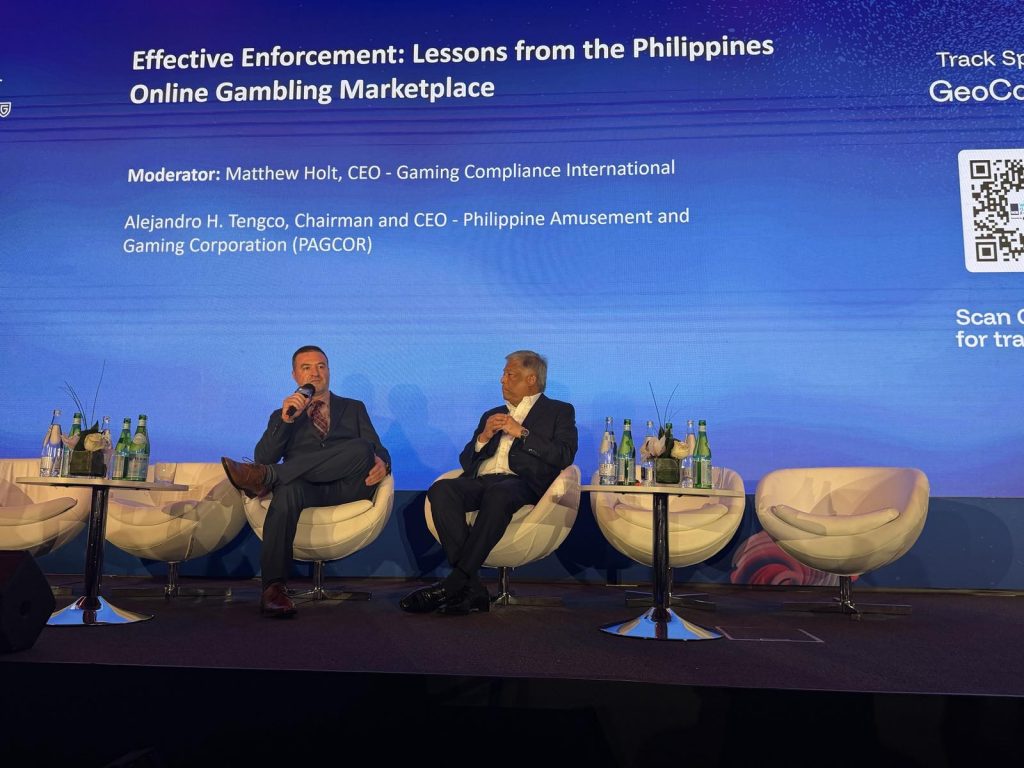
The unchecked spread of illegal and unregulated online gaming poses a greater danger to regulators and licensed operators than tougher standards, according to Philippine Amusement and Gaming Corporation (PAGCOR) Chairman and CEO Alejandro Tengco. In his speech at ICE Barcelona, Tengco outlined the Philippines’ regulatory reset aimed at restoring trust, protecting players, and strengthening enforcement in a borderless digital market.
Enforcement over comfort in a borderless industry
Tengco said the rapid expansion of digital gaming has reshaped the global industry, erasing borders, accelerating innovation, and exposing gaps that legacy regulatory systems were never designed to manage.
“The greatest threat to both regulators and licensed operators is not higher standards,” Tengco said. “It is the continued presence of illegal and unregulated actors that undermines trust and distorts competition.”
POGO ban marks regulatory reset
Tengco also cited the Philippines’ recent regulatory reset as an example of how jurisdictions can respond to emerging risks in the industry. He mentioned that a central pillar of that reset was the government’s decision to ban Philippine Offshore Gaming Operations (POGOs), a policy that was fully enforced by the end of 2024.
The move followed links between offshore gaming activities and criminal offences, including fraud and money laundering. According to Tengco, the ban demonstrated the need for regulators to act when enforcement gaps threaten public trust and the integrity of the market.
Player-centric reforms in licensed iGaming
Alongside the POGO ban, PAGCOR said it intensified reforms across the licensed domestic online gaming sector, shifting towards what it described as a more player-centric regulatory approach.
The reforms include tighter know-your-customer (KYC) and identity verification standards. As well as mandatory responsible gaming tools such as self-exclusion and betting limits, and stricter controls on gambling advertising aimed at protecting minors and other vulnerable groups.
Tengco said financial safeguards were also strengthened through restrictions on specific payment channels and the introduction of a new minimum guaranteed fee for licensed online operators. The measure is designed to ensure fair contribution to government revenues while promoting transparency within the sector.
“Regulation is not about avoiding discomfort,” Tengco said. “It is about building a system that is resilient, accountable, and worthy of public trust.”
Separating regulation from operations
Moreover, the PAGCOR Chairman highlighted the agency’s ongoing efforts to decouple its regulatory and commercial functions. Tengco described the reform as necessary to strengthen regulatory independence and align the Philippines with international best practices.
“As PAGCOR transitions toward a purely regulatory role, our focus is to set clear rules, enforce them consistently, and create a gaming ecosystem that is fair, competitive, and resilient,” he said.
He added that while local conditions shape the Philippine experience, it offers lessons for other jurisdictions grappling with similar challenges in a digital environment where consumers can easily cross borders online.
E-wallet delinking and talks with the central bank
Beyond the conference stage, Tengco also addressed current regulatory issues in an interview with Inside Asian Gaming. In the interview, he revealed that PAGCOR is preparing a position paper to present to the Bangko Sentral ng Pilipinas (BSP), the country’s central bank, seeking to restore links between licensed online gaming platforms and e-wallet providers.
In August 2025, the BSP ordered e-wallet providers to delink from online gambling platforms, citing the need to prevent unauthorised transactions and improve oversight of the sector.
Tengco said the position paper will outline the safeguards PAGCOR has implemented across the domestic iGaming sector following Senate hearings last year, which examined the industry’s rapid growth. Despite the impact of delinking on revenue momentum, PAGCOR reported that online gaming generated more than PHP200 billion (€2.9 billion) in gross gaming revenue (GGR) in 2025, setting a new record.
From reactive enforcement to regulatory architecture
An industry expert earlier said these moves reflect a broader shift in PAGCOR’s regulatory posture. Arden Consult CEO Marie Antonette Quiogue on LinkedIn described the regulator as moving from reactive enforcement towards building a long-term regulatory architecture.
She noted that after a year marked by Senate scrutiny and public concern over gambling harm, PAGCOR engaged with international regulators, adopted stricter advertising rules, tightened KYC requirements, and introduced a B2B accreditation framework. While the MGF is expected to increase pressure on smaller operators, supporters argue it will lead to a more robust and defensible iGaming sector.
Stay in the loop and join the biggest iGaming Community in the world with SiGMA’s Top 10 news countdown. Subscribe HERE for weekly updates from the world’s iGaming authority and exclusive subscriber-only offers.


