


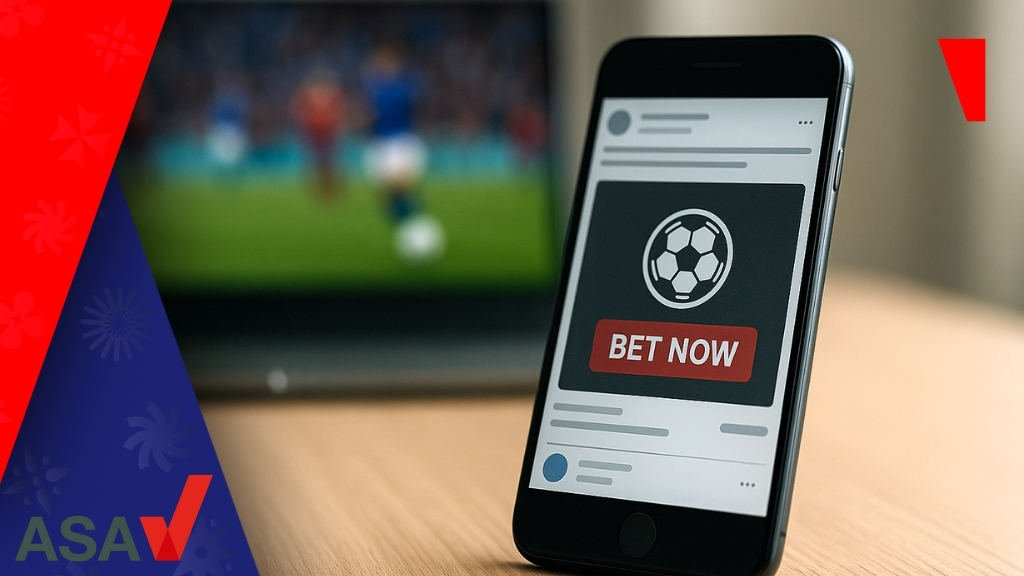
Scrolling through football highlights on social media once meant seeing unchecked gambling ads. From 1 September 2025, new gambling advertising rules brought that content under full regulation. A University of Bristol study found 29,145 gambling messages during the opening Premier League weekend of August 2024, including more than 100 flagged social posts referred to the Advertising Standards Authority (ASA).
The Committee of Advertising Practice extended the CAP Code to include all UK-facing marketing by licensed operators, even if based overseas. The rules apply to non-paid social media posts, influencer content, YouTube and TikTok videos, blogs, apps targeting UK players, and websites using .uk domains. The amendment applies to all non-broadcast marketing, from social media and websites to apps, blogs, and print, but excludes TV and radio advertising, which remain under the BCAP Code. Paid-for ads were already covered. A three-month consultation, open until 1 December 2025, will gather industry feedback.
Operators registered in Malta or Gibraltar can no longer use lighter rules to push content toward UK audiences without meeting local compliance standards.
Compliance costs and business impact
Smaller offshore firms face pressure to resource compliance and audit social marketing campaigns. Several compliance consultancies suggest that annual monitoring and audits for social content can run into six figures for medium-sized operators. Bigger brands with compliance built in are well placed. Even Paddy Power and Bet365, long linked to offshore hubs, must now follow UK social media standards.
Affiliates face delays as campaigns require contract reviews and post-pre-clearance to meet gambling advertising rules. CAP said that the extension was introduced “to support consistency in regulation,” ensuring that all licensed operators are held to the same standards. CAP conducted a review with the Gambling Commission to improve alignment between advertising oversight and licensing obligations.
The ASA has already demonstrated its stance on tone and imagery in recent adjudications. It banned a Lebom ad for glamorising alcohol and gambling together and prohibited a Hollywoodbets promotion for appealing to youth audiences.
Offshore advantage diminished
Malta and Gibraltar once gave operators an advantage through lower taxes and creative freedom. The tightening of gambling advertising rules reduces that edge. Offshore operators now face the same restrictions as UK-domiciled brands when targeting British audiences.
CAP’s consultation paper stated that the extension supports consistency in regulation, holding all licensed operators to the same standards, regardless of their location.
Jurisdictional advisers suggest the competitive pitch will change. Future client guidance will reflect this shift in value. Licensing advisers note that Malta and Gibraltar will have to rely more heavily on tax regimes and infrastructure to retain appeal.
For service providers, including affiliates and agencies, this change prioritises compliance expertise over viral content strategies. Marketing is no longer a space for grey areas.
Affiliates and creators under scrutiny
Dr Raffaello Rossi’s research at Bristol University highlighted how hundreds of thousands of social media ads slipped through ASA oversight.
The new framework corrects that oversight. Affiliates, influencers, and creators now face direct responsibility for complying with gambling advertising rules when publishing content on behalf of licensed operators. Play’n GO was censured for cartoon-style advertising deemed attractive to children. At the same time, Mecca Bingo escaped sanction over a Tom Hanks quiz that packed in emojis but passed regulatory checks. Agencies expect affiliate contracts to include compliance audits and monitoring as standard.
Global and UK regulatory shifts
The extension is part of a wider international trend. Spain has imposed tight restrictions on football sponsorships, while regulators in the United States are scrutinising influencer-led promotions.
In the UK, the ASA move aligns with a broader Gambling Commission reform package, reinforcing the gambling advertising rules that operators must now meet. CAP sets the rules and the ASA enforces them in the public interest, making the UK’s advertising framework self-regulatory rather than government-led. From October 2025, operators must prompt customers to set a financial limit before their first deposit and provide clearer protections around customer funds.
Enforcement is now the central question. These obligations sit within the Gambling Commission’s Licence Conditions and Codes of Practice (LCCP), specifically Social Responsibility code provisions 5.1.6 and 5.1.7. The ASA Council orders ads to change or be withdrawn and publishes rulings, while the Gambling Commission escalates breaches through licensing sanctions. Academics have warned that the ASA lacks the resources to monitor large-scale online campaigns, increasing reliance on platform cooperation.
The three-month consultation running until 1 December 2025 will test the proportionality of the rules and decide whether to treat affiliates differently from operators. Consultation feedback will shape enforcement detail and determine whether phased rollout is realistic.
Meta has recently tightened its gambling ad policies, while TikTok only permits gambling ads with prior written approval in specific markets. What happens next will test the UK’s ability to enforce gambling advertising rules across digital platforms and reveal if this framework can actually endure.


