


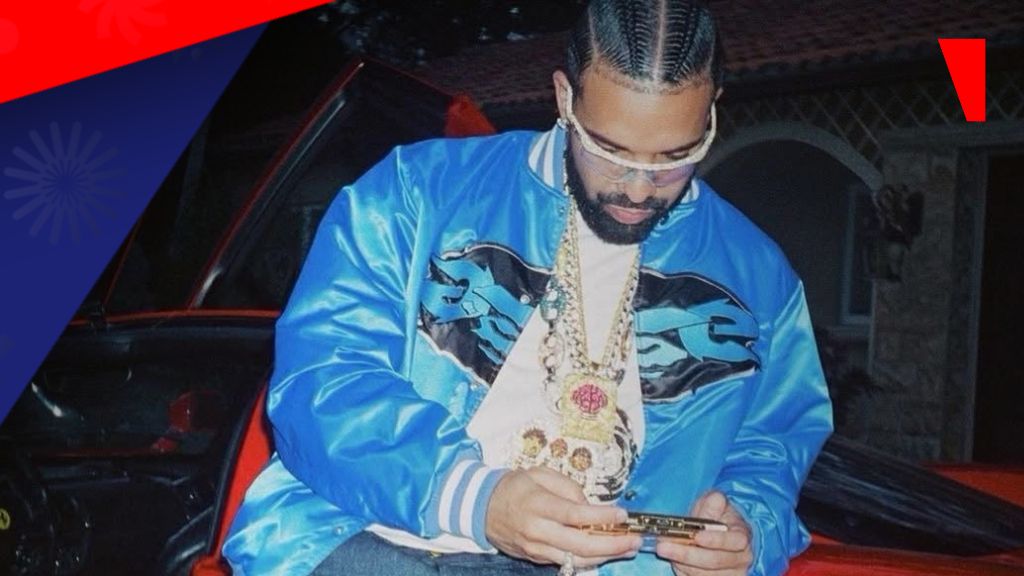
Drake, online streamer Adin Ross, and crypto gambling platform Stake have been named as defendants in a new civil RICO (Racketeer Influenced and Corrupt Organisations Act) class action lawsuit filed in the United States, according to several media reports. This lawsuit adds to a growing list of legal challenges linked to the promotion of online gambling and alleged manipulation of music streaming platforms.
The case was lodged in the U.S. District Court for the Eastern District of Virginia on behalf of two plaintiffs, LaShawnna Ridley and Tiffany Hines, who are identified as users of Stake within the US. The media reports said that the claim seeks at least $5 million in damages, alongside legal fees, and requests a jury trial.
At the centre of the complaint are claims that Drake, Ross, Stake, and an additional defendant, George Nguyen, used Stake’s tipping feature to move funds between one another. According to the filing, this mechanism was allegedly used to finance artificial streaming activity designed to inflate Drake’s play counts across major digital music platforms.
Stake and claims of illegal gambling

The lawsuit focuses on Stake.us, the U.S.-facing platform linked to Curaçao-based operator Stake. The plaintiffs argue that the site was created to bypass restrictions after Stake.com was barred from operating in the United States. While marketed as a social casino, the filing claims that the website uses a digital token system that can be redeemed for cryptocurrency or gift cards, effectively enabling real-money gambling.
According to the complaint filed in the Virginia court, Drake and Ross were paid to promote the platform by gambling with virtual currencies supplied by Stake, creating the appearance of high-stakes play without personal financial risk. The plaintiffs allege that this promotional model encouraged users to gamble real funds under misleading conditions.
Impact on the music industry
Beyond gambling-related claims, the lawsuit argues that the alleged scheme had consequences for the broader music ecosystem. By generating artificial streams, the defendants are accused of fabricating popularity metrics that influence charts, playlists, and consumer discovery. The filing claims this undermined the integrity of streaming platforms and narrowed access to legitimate content, while suppressing authentic artists.
Drake has faced similar class action lawsuits in New Mexico and Missouri in 2025. The Virginia filing follows a recent livestream in which the artist reportedly gave away part of his earnings from Stake, an event referenced by the plaintiffs as further evidence of coordinated promotion.
Stake’s previous response to related lawsuits
In an earlier case filed in Missouri, Stake rejected allegations made against it. In a statement given to SiGMA News in October 2025, the company denied claims reported in the media. Stake stated at the time that it would defend itself against all such claims.
That Missouri lawsuit, along with others filed across multiple U.S. states, accused Stake.us of operating illegal gambling services under the guise of social gaming.
Don’t just read the news — stay ahead of it. Subscribe HERE to SiGMA’s Top 10 News countdown for stories shaping iGaming’s future, weekly insights from the world’s biggest iGaming community, and exclusive subscriber-only offers.


