


EU lawmakers push tech, gambling tax for €2 trillion budget

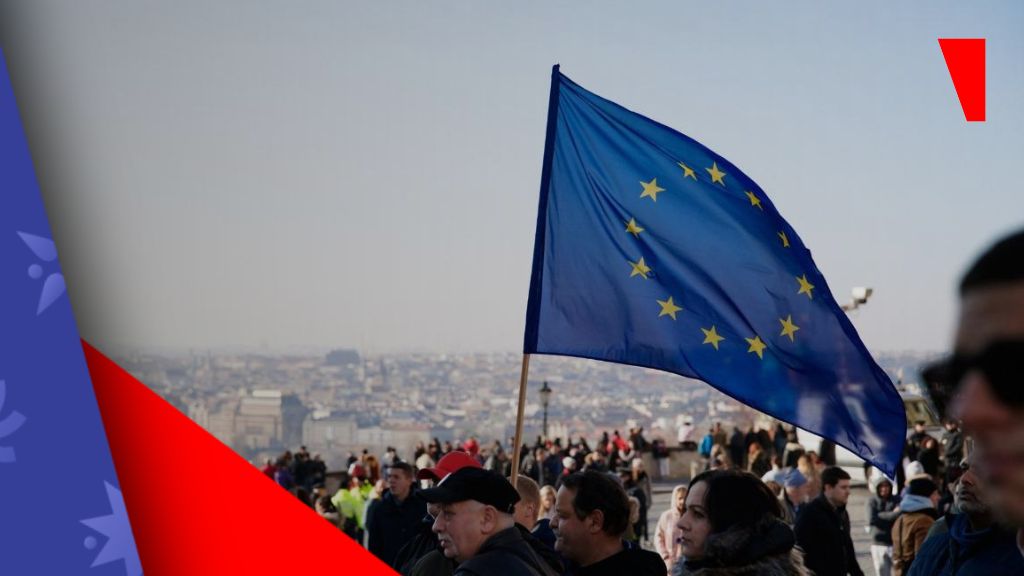
European Union lawmakers on Thursday called for a bloc-wide tax on major technology companies and online gambling operators as part of efforts to fund the EU’s next long-term budget. The proposal, centred on a “digital levy”, comes as the 27-member bloc prepares for difficult negotiations over its €2 trillion budget for 2028 to 2034.
Budget battle intensifies
The European Commission has proposed setting the EU’s next long-term budget at €2 trillion, up from roughly €1.2 trillion in the 2021 to 2027 period. The increase reflects higher spending needs across the bloc, including support for key sectors and the repayment of about €168 billion borrowed during the pandemic.
Reaching a consensus on funding the larger budget is proving difficult. Many member states are unwilling to raise their contributions, which is likely to result in tough negotiations with the European Parliament. Lawmakers are therefore exploring alternative sources of revenue, including a proposed digital levy.
Siegfried Mureșan, who is leading the Parliament’s budget negotiations, said large technology firms generate significant profits within the EU’s single market and should contribute more directly. He stated that it is “justifiable” for these companies to pay tax to support the budget of the market that enables their business activities.
Gambling sector enters tax debate
Alongside Big Tech, online gambling operators have also been drawn into the discussion. Carla Tavares, representing the Socialists and Democrats group, said her bloc supports a tax on online gambling to help finance increased EU spending.
The inclusion of gambling reflects broader concerns within the EU about the rapid growth of cross-border digital industries. Policymakers have increasingly examined whether sectors that operate across multiple jurisdictions but are taxed at national levels should contribute at a European level.
Earlier discussions within the European Parliament have already explored the possibility of introducing a dedicated levy on online gambling as part of new EU “own resources”. Lawmakers have pointed to the sector’s digital and cross-border nature as a reason for considering bloc-level taxation, particularly as the EU seeks more stable and independent sources of revenue.
Longstanding push for digital taxation
Taxing digital companies has long been discussed within the EU. Previous proposals aimed at large technology firms have faced political opposition and raised concerns about global trade tensions. The latest plan builds on these earlier efforts as budget pressures increase.
The European Parliament’s budget committee is expected to vote on its position on 15 April, followed by a full parliamentary vote later in the month. These steps will set the direction for the Parliament’s engagement with member states.
Political and global pressures
While the proposal has gained support within Parliament, it faces a major obstacle. Any EU-wide tax must be approved unanimously by all member states, which has historically made such measures difficult to adopt.
At the same time, the debate is unfolding against a shifting global trade backdrop. European Commission President Ursula von der Leyen has indicated that the EU is prepared to consider levies on US digital companies if trade negotiations with Washington fail. She warned that ongoing tensions could extend into the services sector, including digital advertising revenues tied to major technology firms.
Von der Leyen described current developments as a turning point in global trade, signalling that the EU may take a firmer approach in defending its economic interests. Though connected to wider trade issues, these statements point to an increasing openness in the EU to tax digital businesses.
Uncertain path ahead
The outcome of the budget talks will depend on agreement between EU institutions and member states on both spending priorities and how the budget will be financed.
The proposed digital levy on Big Tech and online gambling is expected to be part of these discussions as negotiations continue.
A spring to remember. From 03–05 May 2027, SiGMA Europe welcomes 12,000 delegates and 400 expert speakers to the MFCC for world-class networking and conversations shaping the future of iGaming in Europe. See you there!


