


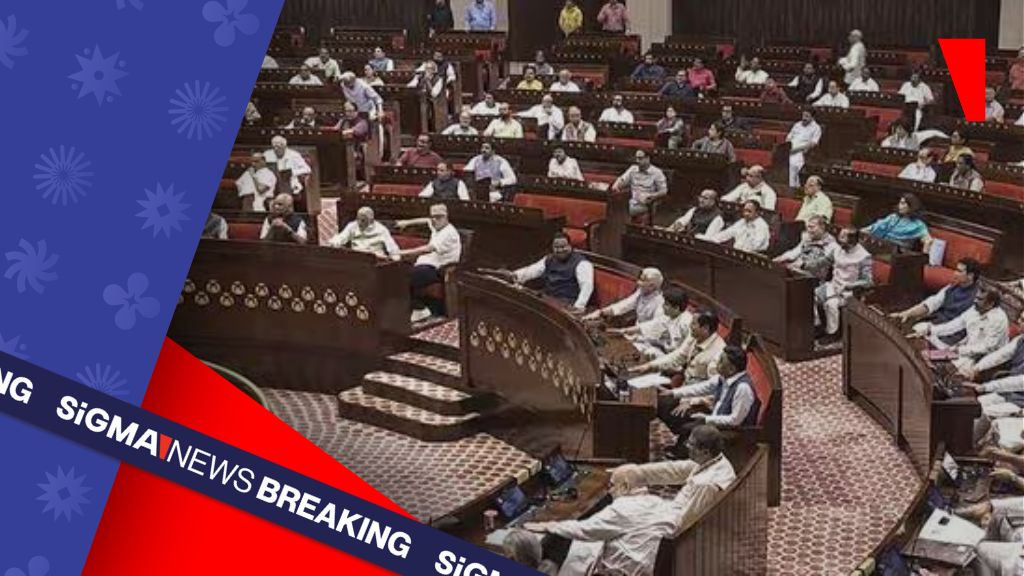
The Indian Parliament has passed the Promotion and Regulation of Online Gaming Bill, 2025, which bans online games played with money in response to rising concerns about addiction, financial fraud and money laundering. The Council of States (Rajya Sabha) approved the legislation on Thursday, a day after it cleared the House of the People (Lok Sabha) amid uproar and protests.
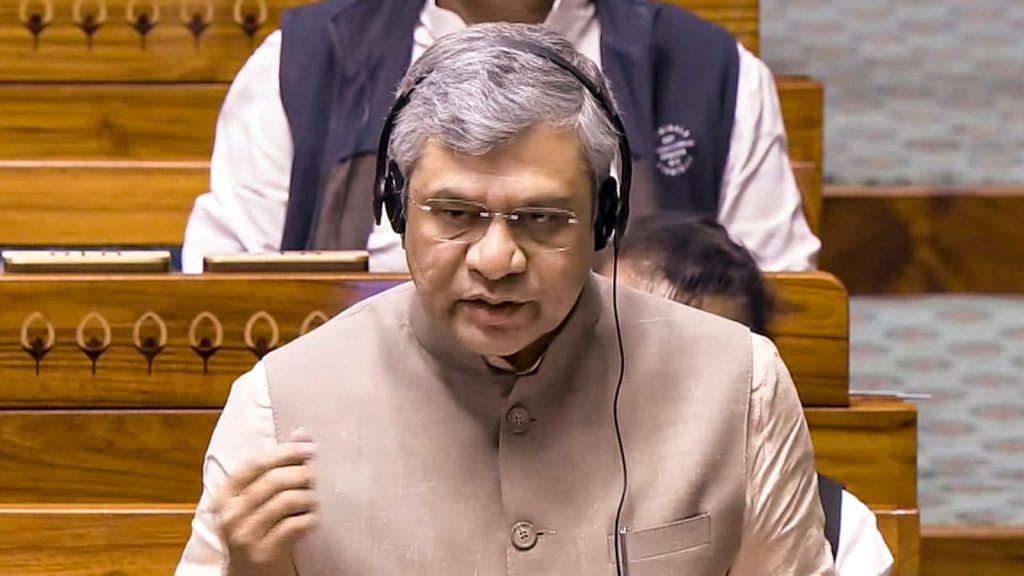
Introducing the Bill, Union Electronics and IT Minister Ashwini Vaishnaw said the law aims to protect young people and middle-class families from the dangers of online money gaming. He described the issue as a “public health concern,” citing reports that nearly 450 million people have been affected, with losses estimated at around $2.30 billion.
“These platforms are opaque, exploitative, and linked to hazards such as money laundering and terror funding,” Vaishnaw said. He acknowledged that the law may face legal challenges but added that the government is “fully prepared to defend it in court.”
What the Bill covers
The Bill defines an “online money game” as any game, whether based on skill, chance or both, where users pay fees, deposit money or put up stakes with the expectation of monetary returns. The definition excludes esports.
Key provisions include:
- A complete ban on offering or advertising online money games.
- A maximum jail term of three years or a fine of up to $1.1 million for operators.
- Up to two years in prison or a fine of $60,000 for advertisers.
- The same penalties for banks or financial institutions that facilitate payments for banned games.
- At the same time, the legislation encourages the growth of esports and online social games.
Industry warns of fallout
The decision to outlaw real-money gaming (RMG) has drawn sharp criticism from lawyers and industry leaders, who say it disregards years of judicial precedent. Courts, including the Supreme Court, have long recognised a distinction between games of skill and games of chance.
“The outright prohibition could push both players and operators toward offshore unregulated platforms that offer neither accountability nor consumer protection.”
– Snigdhaneel Satpathy, Partner at Saraf and Partners
Arun Prabhu, Partner and Co-Head of Digital, TMT at Cyril Amarchand Mangaldas, said the government already had tools to regulate online gaming. “A more nuanced and granular co-regulatory framework was already created as rules for online gaming intermediaries, providing mechanisms to regulate or even ban operators, including offshore platforms,” he explained. “If the government simply implements these frameworks effectively, many of the sector’s concerns could be addressed without resorting to a blanket ban.”
Snigdhaneel Satpathy, Partner at Saraf and Partners, said the legislation could destabilise an entire industry. “By eliminating the long-standing judicially recognised distinction between games of skill and games of chance, the Bill removes the very foundation upon which much of the RMG industry has operated and grown over the past two decades,” he said. He added that the outright prohibition “risks pushing both players and operators toward offshore unregulated platforms that offer neither accountability nor consumer protection.”
Impact on real-money gaming
India’s RMG sector is a $4 billion industry that has contributed $2.30 billion in taxes, generated over 200,000 jobs and fostered 2,000+ gaming startups across India. Companies offering poker, rummy and fantasy sports have relied on favourable rulings that allowed skill-based games to operate legally.
The E-gamers and Players Welfare Association (EPWA) wrote to the Prime Minister’s Office urging the government to reconsider the ban. The letter viewed by SiGMA News stated, “Games like chess, poker, esports and fantasy sports require strategy, focus and skill, not luck. The Supreme Court and several High Courts have reaffirmed this legal distinction over decades. Treating all games the same ignores this precedent.”
The association also asked for safeguards on data privacy, measures to prevent online abuse, and protection of players’ rights. It warned that the blanket ban “threatens the livelihoods of gamers and raises concerns about users shifting to illegal offshore platforms.”
Government focus on esports and social gaming
While shutting down money-based formats, the government aims to position India as a hub for esports and online social games.
Akshat Rathee, Co-founder and Managing Director of NODWIN Gaming, welcomed the intent but urged clarity. “The government’s intent to promote esports is an encouraging step that will make India more structured and globally competitive. But for this to truly work, the terms mentioned such as esports, online social gaming and online money gaming need to be well defined,” he told SiGMA News.
Parth Chadha, CEO and Co-Founder of STAN, called the decision “historic.” He said, “For India’s gaming industry, the government’s decision to separate social gaming and competitive esports from real money gaming and to support them with specialised authority and skill building initiatives is historic. The true potential in our opinion is found in the competitive esports ecosystem and social gaming communities where studios, creators and players co-exist.”
Advertising and liability rules
The Bill imposes tough restrictions on advertising. Celebrities, media houses and agencies found promoting banned games could face up to two years in prison and heavy fines.
Satpathy said the provisions raise serious compliance risks. “The legislation’s stringent advertising restrictions that impose criminal and financial liability on celebrities, media outlets, and agencies raise the compliance bar significantly,” he noted. He said early enforcement actions would likely signal how strictly the rules are applied.
Risk of offshore migration
Analysts also caution that banning regulated domestic platforms may drive players to offshore operators. These sites fall outside Indian jurisdiction and often lack age checks, deposit caps or responsible gaming protocols.
Satpathy warned that “without calibrated safeguards such as stronger responsible gaming norms, mandatory deposit caps, or stricter KYC protocols, the outright prohibition could push both players and operators toward offshore unregulated platforms.”
Legal and constitutional challenges
Stakeholders in the RMG sector are preparing for possible court challenges. They argue that the law criminalises formats that courts have previously upheld as legal, such as rummy and fantasy sports.
Prabhu said provisions on liability are “broadly drafted, raising questions about intent, responsibility and fairness.” He also noted that betting and gambling are state subjects under the Constitution, meaning state laws in Nagaland and Sikkim that permit certain games could clash with the new central prohibition.
The EPWA said the law risks overstepping constitutional limits. “The government’s move disregards constitutional protections and decades of judicial recognition for skill-based games,” it said in its representation to the Prime Minister’s Office. Industry leaders argue that such overreach could be challenged on grounds of violating the right to conduct legitimate business and legislative competence.


