


How is Africa balancing gaming growth with player protection?

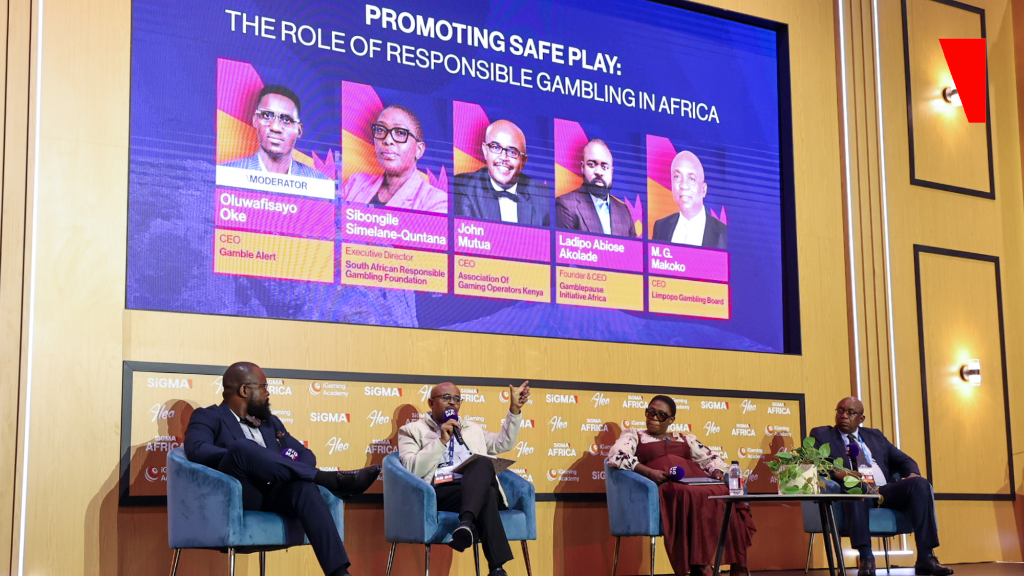
On 04 March at SiGMA Africa 2026 in Cape Town, industry leaders convened for the panel titled Promoting Safe Play: The Role of Responsible Gambling in Africa. The session examined how regulators, operators and public health stakeholders across Kenya, South Africa and Uganda are navigating the challenge of promoting player protection while supporting a fast-growing gaming sector.
The discussion featured Oluwafisayo Oke, CEO of Gamble Alert, Sibongile Simelane-Quntana, Executive Director of the South African Responsible Gambling Foundation, John Mutua, CEO of the Association of Gaming Operators Kenya, Ladipo Abiose Akolade, Founder & CEO of GamblePause Initiative Africa and M. G. Makoko, CEO of the Limpopo Gambling Board. The session brought together regulatory, industry and advocacy perspectives on building a sustainable, responsible future for African gaming with a focus on player protection.
Defining responsible gambling
Moderating the discussion, Oke opened by challenging the room to clarify what responsible gambling actually means. He suggested definitions vary widely between regulators, operators and civil society.
Makoko explained that from a regulatory standpoint, responsible gambling is embedded in formal rules and compliance structures. “As part of our regulations, we implement programmes among players to minimise harm. We expect operators to promote responsible gambling and ensure gaming is seen as entertainment.” Audits, licensing conditions and mandatory contributions to responsible gambling foundations all form part of that oversight framework.


But more than compliance, panelists agreed that responsible gambling must translate into practical tools, self-exclusion mechanisms, cooling-off periods and accessible support services, that actively protect players.
Protection without misplaced responsibility
From Nigeria’s perspective, Akolade stressed that safeguarding the “lifeline of the industry” requires prioritising players above all else. “We don’t want children gambling, in Africa or globally,” he said, pointing to the need for ethical advertising standards and awareness campaigns that educate families to recognise early signs of addiction. “It’s about putting tools in place and collaborating across Africa so we can have a standard mode of operation.”
Simelane-Quntana raised a more philosophical concern: whether the industry fully understands the implications of the term itself. “We assume people interact with safeguarding tools in the same way,” she noted, describing what she called a “homogeneity effect.” Without consistent standards and deeper social and economic data, early intervention becomes reactive rather than preventative. “Do we wait until the ship has sunk?” she asked, emphasising the need for earlier, more targeted measures.
She also questioned whether responsibility sometimes shifts too heavily onto the player. “We must interrogate whether the wording itself implies irresponsibility on the part of individuals,” she added.
Revenue versus responsibility
Representing operators, Mutua addressed the tension between commercial objectives and social safeguards. “The operator is a commercial entity, they are there to make money,” he acknowledged. “But the need to make money does not supersede player protection. If you only have players for the short term, you don’t have a sustainable business.”
Mutua argued that product design, education and self-regulation must align with regulatory expectations. “Balancing the two is key. It calls on both the government and operators to provide the right tools and the right intention,” he said.
Makoko echoed this sentiment, rejecting suggestions that regulators ignore harm while issuing licences. “When we issue licences, operators must demonstrate responsible gambling measures and intervention options,” he explained. Ongoing monitoring and collaboration with responsible gambling foundations form part of that oversight.
Sustainable growth
As gaming revenues rise across multiple African jurisdictions, so too does scrutiny from policymakers and communities. The panel reinforced that long-term market stability hinges on player trust. Without responsible gambling safeguards, growth risks being undermined by reputational and regulatory backlash.
Stay tuned for further in-depth coverage, exclusive interviews and key insights from SiGMA Africa 2026 as we continue reporting on the conversations shaping the industry across the continent.


