


Raffles and draws in iGaming: a new alternative to bonus marketing

For more than a decade, iGaming marketing has been defined by the same playbook: sign-up bonuses, deposit matches and a steady churn of promotional offers designed to pull players back to the lobby. It is an arms race that has become both expensive and, in many jurisdictions, increasingly awkward as regulators tighten the rules around inducements.
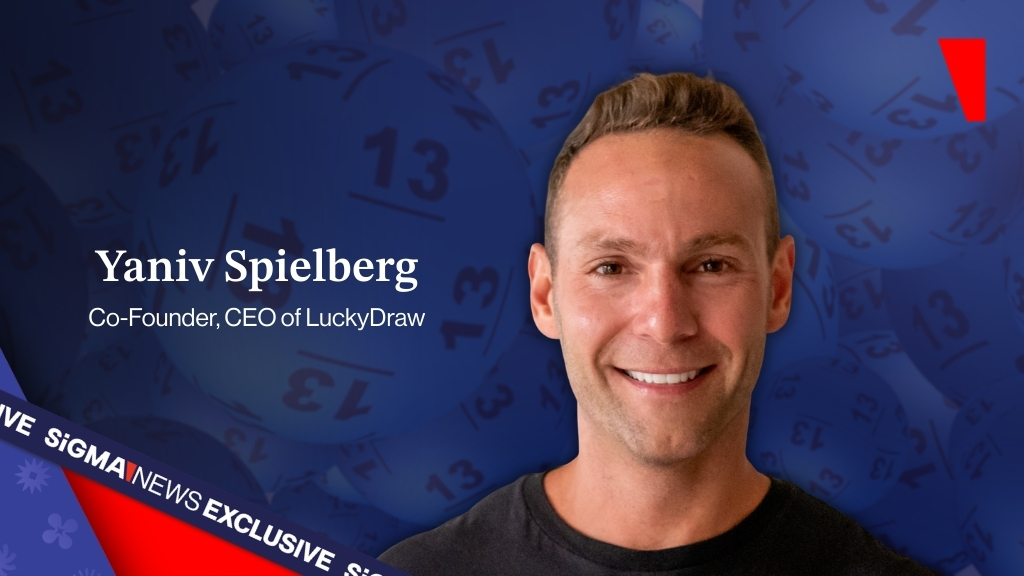
Yaniv Spielberg, a long-time industry executive and now co-founder and chief executive of LuckyDraw, argues that the next wave of marketing tools will look less like cash and more like “experiences”, and that prize draws, often dismissed as a low-tech gimmick, are being rebuilt into something operators can deploy at scale. “For players, winning an experience is more memorable than winning cash, as they associate the experience with the brand. That drives brand recognition, loyalty, engagement, and retention,” he told SiGMA News.
“The gambling operators are marketing companies,” Spielberg argued. “And the way to induce people to come is to spend money on customers.” In the modern sportsbook-and-casino era, he said, operators compete fiercely for the same customers, often with broadly similar products. The gap between acquisition and long-term value is the puzzle he keeps returning to.
The problem, he suggested, is that this can turn into “a race to the bottom”, particularly in newly regulated markets, where headline bonuses balloon and profitability gets pushed further out.
From cash bonuses to “reward psychology”
Spielberg’s pitch is not that operators will abandon bonuses overnight, but that they will need alternatives that do not rely on handing out more money. He framed prize draws as a way of using familiar gambling dynamics, anticipation, surprise and the feeling of “maybe I’m next”, without defaulting to direct cash incentives.
“Reward psychology is the most effective way to make people do things,” he said, describing prize draws as “a prize draw mechanic where there’s anticipation, surprise, and hope.” In his view, it is a behavioural lever that operators have underused in their retention tooling.
In iGaming, the engagement toolkit has expanded beyond bonuses into missions, quests, tournaments and badges, features imported from mobile games and social platforms. Spielberg sees prize draws as the next import, except that they come from gambling’s oldest corner rather than a neighbouring entertainment industry.
He also positioned draws as a way to rebalance spending away from relentless acquisition. “The smart operators are increasingly inverting their marketing spend from acquisition to retention,” he said, arguing that brand loyalty and retention generate better returns than paying ever more for new sign-ups.
His argument is supported by the current regulatory environment. Bonuses have become an obvious target for policymakers because they are tied to money, and they can be structured in ways that obscure real cost and risk. Spielberg said prize draws can sit differently in that landscape: “We have the ability to offer tickets to raffles. So there’s no intrinsic value to the offering, but you’re giving something that is of value to the player.”
That “something” is not a bigger balance, but a different kind of reward. “You’re not just giving them a $100 bonus to come back,” he said. “You’re telling them, hey, I’m going to let you potentially win a branded t-shirt, or a branded hat, a luxury watch, or tickets to the World Cup, or tickets to see Taylor Swift. These are prizes or experiences that resonate much more strongly with players than simply awarding cash.”
The distinction matters because it speaks to why prize draws have flourished outside gambling too. The marketing logic is familiar: the prize becomes a headline, the entry mechanism becomes a funnel, and the brand gets social amplification.
Raffles and trust
The downside of moving prizes and entry mechanics into the heart of retention strategy is that it introduces a different kind of vulnerability: not necessarily the classic “bonus abuse” that operators worry about with promotions, but a broader question of integrity and trust.
Spielberg said the way draws are typically run “in a very non-technological way” is one reason they can be treated with suspicion. In the past, a brand might ask users to comment, tag, and share to enter, with little visibility over how winners are chosen or how entries are counted.
His answer is that, if draws are going to be used as a repeatable engagement channel, they need the same operational discipline as any other product feature. “We institutionalise prize draws with a platform,” he said. “Instead of now running these raffles as a one-off independent, we built a whole platform to allow operators to run engaging prize draws for their customers.”
When asked directly about abuse, in a market where operators are already battling industrial-scale exploitation of promotions, Spielberg said tracking and auditability were central. “Every prize draw, raffle, instant win or scratch card that you see on the front end is all managed through a comprehensive back end for the operator, where they can see all the customers and all the customers’ transactions,” he argued. “So the abuse can’t happen because everything is tracked in real time.”
A “soft” product aimed at broad demographics
One reason prize draws appeal to marketers is that they are widely understood. Spielberg called raffles “the oldest form of gambling and the softest form of gambling.” That familiarity also speaks to demographics: older audiences already know the format, while younger audiences can be reached by packaging it in modern UI/UX, “something LuckyDraws prides itself on,” explained Spielberg.
He added that the company designed its interface with “TikTokization in mind,” so that users can scroll and enter from the main screen, “almost like a raffle TikTok.” The aim, he suggested, is to make a draw feel immediate and frictionless, even if the prize is resolved later.
Whether operators will adopt draws as more than a novelty may depend on proof, case studies, performance data and successful launches. Spielberg acknowledged that selling the concept is easier than closing the deal. “It’s an easy sell, because the initial reaction is almost always enthusiastic,” he said. “But we’re a new startup, right? It’s on us to prove it.”
The gambling industry is looking for its next marketing language. If bonuses are becoming politically and commercially harder to justify, operators will keep searching for tools that feel exciting to players without simply adding more cash to the offer. Prize draws, rebuilt with audit trails, a modern UI/UX, and integrated into the lobby, are being presented as one of the answers.
Stay ahead of iGaming’s biggest stories with SiGMA’s Top 10 News countdown. The world’s biggest iGaming community brings you weekly insights and subscriber-only offers. Join HERE today.


