


Record Super Bowl bets don’t mean more gambling harm: Expert

As Americans prepare to wager a record $1.76 billion on Super Bowl LX, rising betting volumes should not automatically be interpreted as a signal of increased gambling harm, according to Keith Whyte, Founder and President of Safer Gambling Strategies LLC.
Speaking exclusively with SiGMA News, Whyte pushed back against the idea that record wagering inevitably translates into higher levels of problem gambling, stressing that behaviour and motivation are far more important indicators than total spend.
“On a population level, betting volume is not automatically associated with increased rates of harm,” Whyte said. “If volume was lower this year, nobody would assume rates of gambling problems suddenly decreased.”
The American Gaming Association (AGA) has forecast that Super Bowl LX will attract the largest amount ever legally wagered on the event, reflecting continued growth in regulated US sports betting. AGA President and CEO Bill Miller said the Super Bowl continues to drive unprecedented engagement among bettors, while highlighting the role of legal and regulated sportsbooks.
Why motivation matters more than money
Whyte said the true risk lies in understanding why and how individuals are betting on the game, rather than focusing on the headline figure alone.
“Much of the risk depends on why and how an individual is betting on the Super Bowl,” he said. “Are they betting for fun or to make their rent? Are they playing with friends or gambling alone? Are they chasing their losses to make up for a losing regular season, or is it a one-time bet on the halftime show?”
According to Whyte, these distinctions are critical in assessing potential harm, particularly during major sporting events that attract casual and first-time bettors.
Warning signs around the Super Bowl
With so much wagering activity centred on a single event, Whyte said certain warning signs become more visible around the Super Bowl. “One is unrealistic expectations,” he said. “For example, people who think that betting on the Super Bowl is a good investment.”
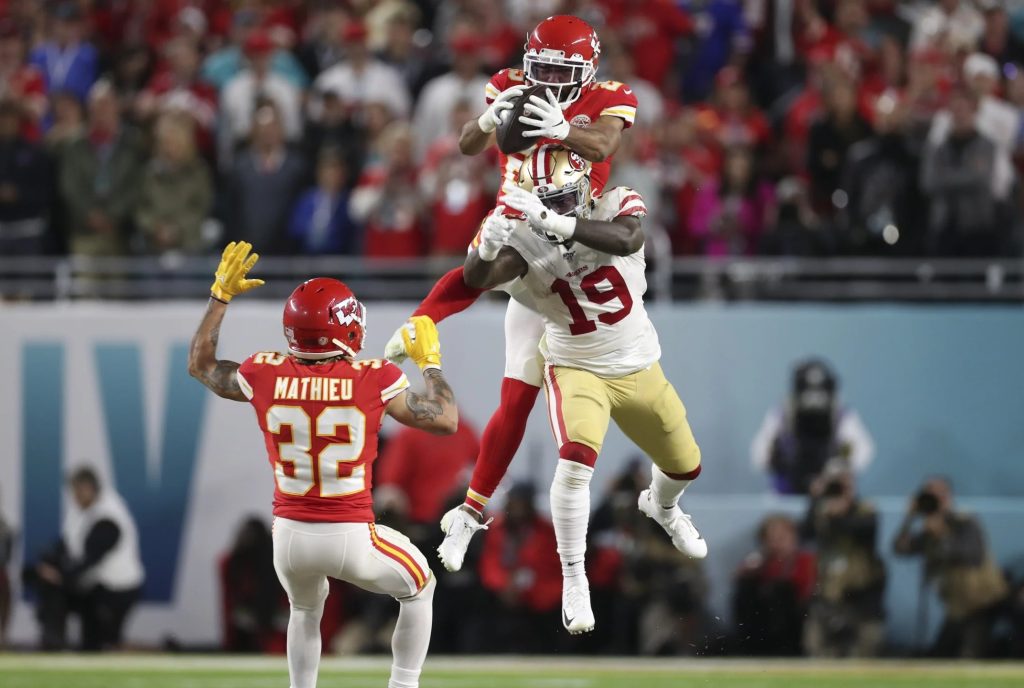
Another concern is exuberance, especially in social settings where alcohol and excitement can drive impulsive behaviour. “People get carried away at a party, maybe while drinking too much alcohol as well, and place big, impulsive and ill-considered bets much larger than normal,” Whyte said.
NFL ban on prediction market
The NFL has banned prediction market advertisements from this year’s Super Bowl broadcast, placing them under its prohibited advertising categories. Whyte described the move as a meaningful consumer protection measure rather than a symbolic gesture.
“It’s a good move for two main reasons,” he said. “One, the legal status of prediction markets on sporting events is a heavily contested legal topic. And many prediction market operators have little or no consumer protection features.”
He added that while gambling companies offering prediction markets have generally extended responsible gambling protections to those platforms, others have not, increasing the risk of consumer confusion, an issue also highlighted by the AGA in recent research.
Meanwhile, despite the ban, prediction market platforms such as Kalshi enabled residents to wager on Super Bowl LX outcomes, a move flagged by California lawmakers, gaming tribes, and the NFL. New York Attorney General Letitia James also warned New Yorkers ahead of the Super Bowl about the risks from the prediction market industry, saying it lacks the consumer protections required of regulated platforms.
Responsible gambling messaging still lags
Despite massive advertising spend around the Super Bowl, Whyte criticised the industry’s weak commitment to responsible gambling (RG) messaging. “The Super Bowl is always a great opportunity for the league and gambling companies to demonstrate a significant commitment to responsible gambling,” he said. “Unfortunately, most gambling ads include responsible gambling messaging as an afterthought.”
He also highlighted the lack of a unified national approach to helpline information. “Until all stakeholders rally around a national helpline number, viewers will still see dozens of numbers in tiny print for a few seconds at the end of an ad,” he said. “That makes a mockery of one of the key concepts of responsible gambling, that messages be clear and actionable for consumers.”
Gambling harm concerns for Super Bowl LX
The responsible gambling concerns shared by Whyte are increasingly echoed by regulators and RG organisations across North America. Several states have urged fans to consider the risks before placing Super Bowl bets, with public reminders focusing on limits, platform safety and realistic expectations.
The Virginia Council on Problem Gambling recently warned fans to think carefully before wagering on the game. “Before wagering on any aspect of the Super Bowl, it’s important to consider the risks,” said Dr Carolyn Hawley, President of the Council. “Set limits for the length of time you want to play at a betting kiosk or on a mobile device and how much money you are willing to lose.”
Ahead of the Super Bowl, I'm warning New Yorkers about the risks of the prediction market industry.
— NY AG James (@NewYorkStateAG) February 2, 2026
This industry doesn't have the same consumer protections as regulated platforms.
In Michigan, regulators have also stepped up messaging ahead of the game. The Michigan Gaming Control Board (MGCB) issued a public reminder urging residents to bet safely and only through authorised operators.
“Super Bowl weekend brings excitement and energy for football fans across Michigan,” said MGCB Executive Director Henry Williams. “We want everyone to enjoy the game safely and responsibly, and the best way to do that is by wagering only with licensed operators approved by the MGCB.”
Research echoes similar concerns
These concerns align with recent research from Canada. A survey by the Responsible Gambling Council found that 42 percent of Ontario sports bettors plan to wager on the Super Bowl, while 38 percent of adults believe their sports knowledge gives them an edge, an overconfidence that can motivate betting beyond affordable limits.
The belief was most common among those aged 18 to 34, with younger bettors also significantly more likely to be influenced by friends and family. About 72 percent of bettors in this age group said their betting decisions were shaped by others, compared with 40 percent among those aged over 55.
Subscribe HERE to SiGMA’s Top 10 News countdown and SiGMA’s weekly newsletter to stay up to date with all the latest iGaming News from the world’s iGaming authority, and benefit from subscriber-only offers.


