


US Rep. Dina Titus urges fast action on FAIR BET tax fix

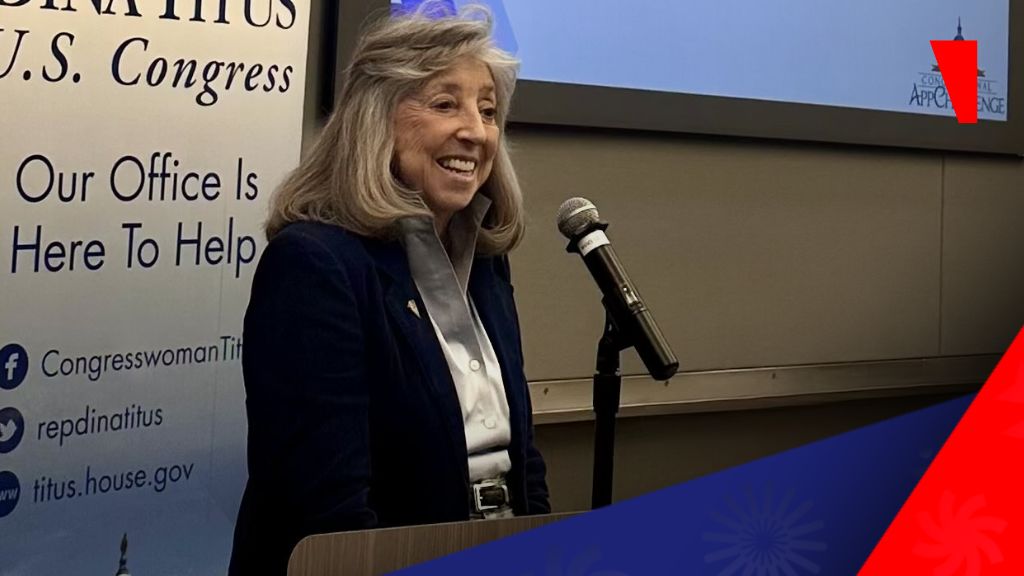
With a new gambling tax rule set to take effect on 1 January 2026, US Representative Dina Titus (D‑Nev.) (as depicted in featured image) is pressing Congress to act quickly. Her Fair Accounting for Income from Betting Earnings and Taxation (FAIR BET) seeks to overturn the limit on gambling loss deductions, which critics warn could affect both casual and professional gamblers.
What triggered the FAIR BET Act
For decades, US taxpayers have been able to deduct all gambling losses against winnings when filing federal returns. This meant that if a person broke even or lost overall, they did not owe tax on money they had not actually gained. In response, Rep. Dina Titus introduced the FAIR BET Act to reinstate full loss deductions. The FAIR BET Act is designed to restore the full 100 percent deduction for gambling losses, bringing tax law back to its earlier framework.
On 11 December, Titus wrote to Committee Chair Jason Smith (R‑Mo.) and Ranking Member Richard Neal (D‑Mass.) requesting a fast‑tracked hearing on the FAIR BET Act. The proposal seeks to reinstate the rule that allows gamblers to deduct all losses against winnings when filing federal income taxes.
Rep. Titus stated in her letter: “While the change may appear minor, it will have significant and harmful consequences. It unfairly burdens professional gamblers and casual players alike. It will inevitably drive players towards offshore and unregulated markets where consumer protections are non‑existent, thereby undermining responsible gaming efforts nationwide. I hope that you will work with me to move this legislation expeditiously during the 119th Congress.”
Problem with taxing unrealised winnings
The One Big Beautiful Bill Act (OBBBA) introduced a cap that limits gambling loss deductions to 90 percent. For example, if a player wins $100,000 but loses $100,000, only $90,000 can be deducted. The remaining $10,000 is treated as taxable income, despite not being a real gain. The change affects both professional and recreational bettors, leaving them liable for taxes on money they did not actually earn. The new rule requires gamblers to pay tax on losses, effectively treating them as income. Critics argue this discourages regulated play and could drive bettors towards offshore platforms outside US oversight.
Economic implications
The Joint Committee on Taxation estimates the cap could generate $1 billion over eight years, or about $137.5 million annually. Industry analysts argue that any short‑term revenue gain may be offset by reduced gaming activity and weaker tax compliance. Adam Robinson of the American Bettor’s Voice projects sportsbooks could lose $18 billion in annual handle and more than $1.5 billion in gross gaming revenue if the rule remains.
Higher US tax burdens may push bettors towards offshore platforms, which operate outside American jurisdiction and lack consumer protections. Movement to unregulated markets could weaken responsible gaming initiatives, increasing risks of problem gambling and financial harm.
Legislative Hurdles and Attempts
An effort to attach the FAIR BET Act to the National Defence Authorisation Act failed, with the House Rules Committee rejecting it among hundreds of proposed amendments. Despite backing from both parties, the bill remains in committee. Representative Dina Titus is pressing House Ways and Means leaders to schedule a hearing before 2026. The FAIR BET Act could be debated before the end of 2025, but once the 2026 tax year begins, the 90 percent cap will take effect automatically. If the bill passes, the 100 percent deduction rule will be reinstated; if progress is delayed, bettors will face higher taxes and may turn to offshore platforms; and if no action is taken, the US gaming market could shrink significantly within a year.
Subscribe HERE to SiGMA’s Top 10 News countdown and SiGMA’s weekly newsletter to stay up to date with all the latest iGaming News from the biggest iGaming community in the world and benefit from subscriber-only offers.


