


Spain and Ukraine dismantle criminal network exploiting women via online gambling platforms

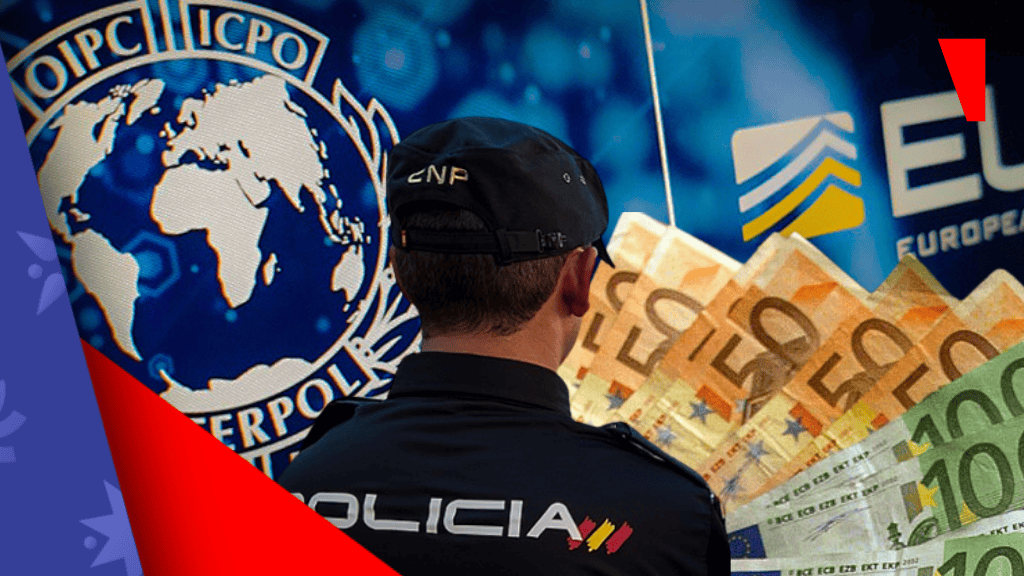
A major international operation involving Spain and Ukraine, supported by investigative cooperation structures as well as Europol and Interpol, has dismantled a criminal organisation accused of fraud and money laundering through online gambling and betting platforms, using the profiles of women who had fled the war.
The investigation, launched in October 2023, led to 12 arrests in Alicante and Valencia. Authorities said the group moved illicit funds through online betting platforms by using stolen identities and bank accounts opened by intermediaries.
Authorities estimate the group made about €4.75 million in illegal profits through cyber fraud, automated software, and money laundering.
How the fraud and laundering scheme operated
Investigators say the group operated thousands of online gambling accounts at the same time.
To move illicit proceeds, the group relied on betting accounts created with stolen identities or documents supplied by intermediaries. Automated software, referred to as bots, enabled members to place numerous low-risk bets simultaneously.
By mimicking normal gambling activity, the system enabled transaction patterns to resemble those of regular users on betting platforms. This strategy not only generated profits for the group but also disguised illegal funds, which subsequently re-entered the financial system as gambling winnings or transfers.
Investigators found the group used advanced technology to handle thousands of transactions at once, making transfers faster and harder to track.
Exploitation of vulnerable Ukrainian women
The investigation also uncovered that the group exploited vulnerable Ukrainian women, many of whom had fled the war, by deceiving or coercing them into unwitting participation in their criminal activities.
Investigators say the group recruited these women by promising jobs or assistance with travel and accommodation. Once in Spain, the women were instructed to visit banks, open accounts in their names, and obtain payment cards, often without full awareness of their intended use.
The group used these accounts to move money and set up gambling accounts online.
Many of the women did not realise they were being used for fraud. After opening bank accounts and providing their details, some were sent back to Ukraine, while the group retained and controlled the bank accounts for moving illicit proceeds.
Investigators identified at least 55 victims who were used as financial intermediaries to facilitate the group’s operations.
Stolen identities and digital infrastructure
The investigation found the group had built a large digital system to run its online operations.
Authorities discovered more than 5,000 stolen identities belonging to citizens of 17 nationalities. These were used to open gambling accounts and get around verification checks.
Police seized equipment used to run the fraud during coordinated searches. Among the items confiscated were 88 mobile phones, 20 computers, hundreds of SIM cards, and 22 automated software systems designed for online betting.
Authorities also seized €73,000 in cash, over €200,000 in cryptocurrencies, and several luxury cars. They froze many bank accounts used to move the illicit proceeds.
A transnational money laundering system
Investigators found the group operated internationally, taking advantage of global digital gambling platforms and online financial services.
The group transferred funds through a network of bank accounts and payment services, making it hard for authorities to track.
The network distributed transactions across several countries and used many identities to avoid monitoring.
Some of the illicit profits were used to buy luxury properties in Europe, which were then rented out to tourists.
Increased focus on sector security
The case shows the need for stronger security and monitoring in online gambling, a sector that has grown quickly worldwide.
Regulators and operators are investing more in technology to monitor transactions and check customer identities.
Procedures such as Know Your Customer (KYC) – the identification checks carried out during account registration – and systems designed to analyse suspicious activity are essential tools for preventing gambling platforms from being used for money laundering and financial fraud.
International cooperation proves decisive
Authorities say international cooperation was key to the success of the operation.
Spanish and Ukrainian police, supported by European and international investigative bodies, collaborated to exchange intelligence and financial analysis. This cooperation proved essential in detecting and dismantling the group.
Cases like this show that fighting money laundering and fraud in online gambling now needs cross-border cooperation, advanced technology, and fast information sharing between authorities.
A warning for the gambling industry
Breaking up the network sends a clear message to both organised crime groups and the online gambling industry.
Authorities are intensifying efforts to detect and dismantle increasingly sophisticated fraud and money laundering schemes. Meanwhile, the need for gambling operators to strengthen compliance and monitoring systems continues to grow, as they work to prevent the misuse of digital platforms.
As online gambling grows worldwide, regulators and operators will need to make sure new technology is matched by strong tools to prevent financial crime.
This article was first published in Italian on 9 March 2026.
Be part of the action! Join the world’s biggest iGaming community with SiGMA’s Top 10 News countdown. Subscribe HERE for weekly updates, insider insights, and exclusive subscriber-only offers.


