


Capitanio (Agcom): “Total advertising ban does not support responsible gaming”

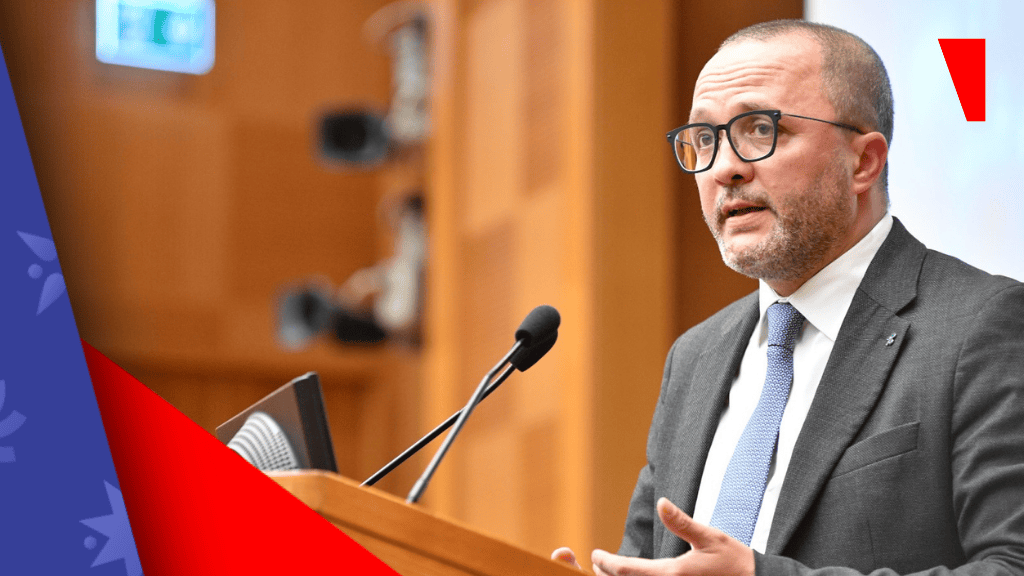
On Thursday, 11 September, the Senate’s Sala Caduti di Nassirya hosted the presentation of the study “Responsible Gaming and Young People Under 25: motivations, contexts and intervention strategies”, promoted by the FAIR Foundation – ETS and conducted by the Economic Psychology Research Unit of the Università Cattolica del Sacro Cuore.
Among the speakers was Massimiliano Capitanio, Commissioner at the Italian Communications Authority (Agcom), who offered a reflection on the regulatory framework and the role of communication in the gaming sector.
The legacy of the “Dignity Decree”
Capitanio retraced the Authority’s experience starting from 2019, when the provisions of the so-called “Dignity Decree” (Decree Law 87/2018) came fully into effect, introducing an outright ban on gambling advertising. From the very beginning, he recalled, the government itself had pointed out specific critical issues, starting with sanctions that could not be adjusted and were set at a minimum of €50,000 for each violation. Recently, the matter was brought before the Constitutional Court by a tribunal, after Agcom was forced to fine a content creator €157,000 for multiple infringements.
A ban with ambiguous effects
According to Capitanio, the total advertising ban has produced mixed results. While it curbed promotional campaigns, it also prevented the launch of information initiatives on responsible gaming and risked weakening the distinction between legal and illegal operators.
The Commissioner stressed that the most significant betting scandals in recent years have been linked to unauthorised platforms. Nevertheless, Agcom has applied the ban rigorously, sanctioning not only online platforms and publishers but also creators active on X, Twitch, YouTube and other digital channels.
Digital addictions and cultural challenges
Capitanio broadened the discussion beyond the strictly regulated gaming sector. In his view, the new paradigm of “responsible gaming” must take into account the mirrored nature of digital addictions. Young people not only gamble online but also encounter similar reward mechanisms through microtransactions in video games, on social media, and across streaming platforms.
For this reason, he argued, digital and civic education must become the proper foundation of any prevention policy.
Parental control: an underused tool
The Commissioner also drew attention to the free parental control filter for SIM cards registered to minors, introduced in November 2023 and made fully available in 2024. This tool blocks access to prohibited content, including pornography, alcohol, tobacco and gambling. Yet, according to Capitanio, it has so far been activated by only around half a million families, leaving the majority of minors still able to access risky material.
Data provided by mobile operators reveal a striking picture: among under-18s, gambling is the second most frequently blocked category, after anonymisers and ahead of pornographic content.
Towards a new season of prevention
Capitanio concluded by highlighting the need to update both tools and strategies. The 2019 guidelines linked to the Dignity Decree could not include references to responsible gaming. Today, however, operators are required to invest in this field. Campaigns to raise awareness and the active involvement of families are therefore essential, as the protection of young people also depends on the responsible use of technology.
Ensuring genuinely responsible gaming cannot be achieved by banning advertising alone. It requires building an ecosystem that combines regulation, education and digital awareness.
This article was first published in Italian on 19 September 2025.
All roads lead to Rome, 03–06 November 2025. SiGMA Central Europe takes centre stage at the Fiera Roma, uniting 30,000 delegates, 1,200 exhibitors, and 700+ speakers. This is where legacies are built, and the future takes shape. Connect with the innovators’ driving change.


