


Gambling operators in Britain and Belgium are borrowing the language and mechanics of games to steer people away from harm. New tools from the Betting and Gaming Council and Belgium’s National Lottery show how quizzes, personalised dashboards and risk labels are being used not to drive play, but to slow it down, explain danger and make consumers think twice.
The gambling industry has long relied on game design to keep people engaged. Now, in Britain and Belgium, some parts of the sector are trying to use similar techniques for a different purpose: harm prevention.
In the space of a week, two organisations unveiled new consumer-facing tools aimed at making online gambling safer. In Britain, the Betting and Gaming Council (BGC) launched an interactive quiz intended to teach players how to spot illegal operators masquerading as legitimate brands. In Belgium, the National Lottery introduced a colour-coded risk indicator, similar to the Nutri-Score commonly found on food packaging, for its online games, alongside more detailed feedback on player behaviour.
The approaches are different, but they point in the same direction. Responsible gambling is no longer being presented only through warnings, terms and conditions, or static advice pages. It is increasingly being packaged in the form of prompts, visual cues and interactive experiences designed to grab attention in the same way games do.
Turning vigilance into a quiz
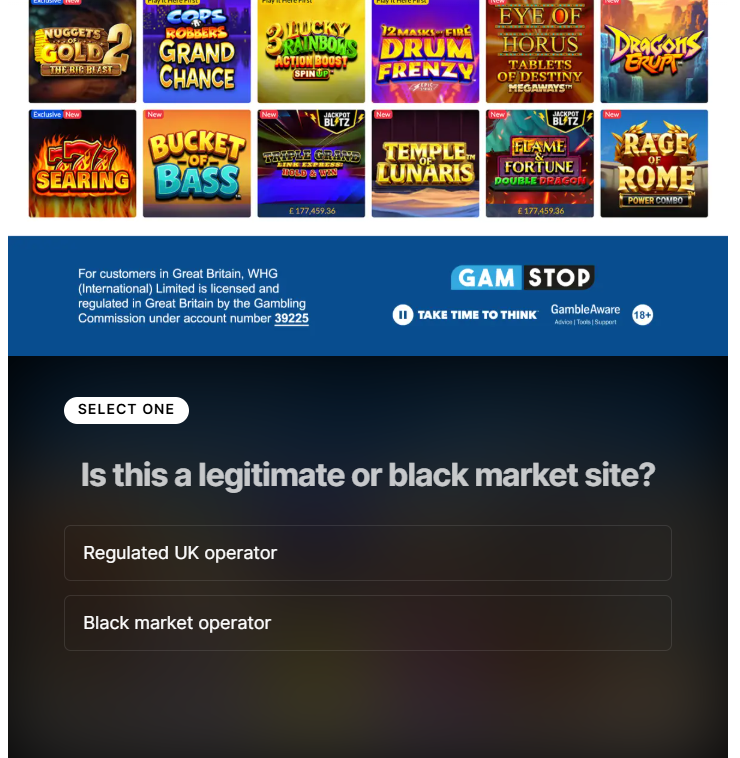
The BGC’s new online game, called “Spot the Black Market“, asks players to work out which gambling websites are licensed and which are not. The campaign is aimed at a growing concern within the regulated industry: that unlicensed sites are becoming harder for the public to distinguish from legal ones.
“This campaign is about exposing the hidden dangers of the black market,” a BGC spokesperson said. “These unregulated sites deliberately mimic trusted brands but play by none of the rules that keep people safe.”
The group said the exercise was designed to show “just how easily consumers can be deceived”, while reinforcing the case for licensed operators that are subject to British rules on customer protection.
Illegal gambling sites may copy the look and feel of legitimate brands, but they are outside the system of checks, restrictions and accountability that licensed operators cite as evidence of safer play.
Black market operators, the BGC added, “pay no tax and offer none of the vital protections that safeguard customers”. By contrast, the regulated betting and gaming sector contributes £6.8bn a year to the UK economy, generates £4bn in tax and supports 109,000 jobs, according to the organisation.
Belgium adds warning labels to games themselves
Belgium’s National Lottery has taken a more granular route. Rather than focusing on the operator, it focuses on the design of individual products.
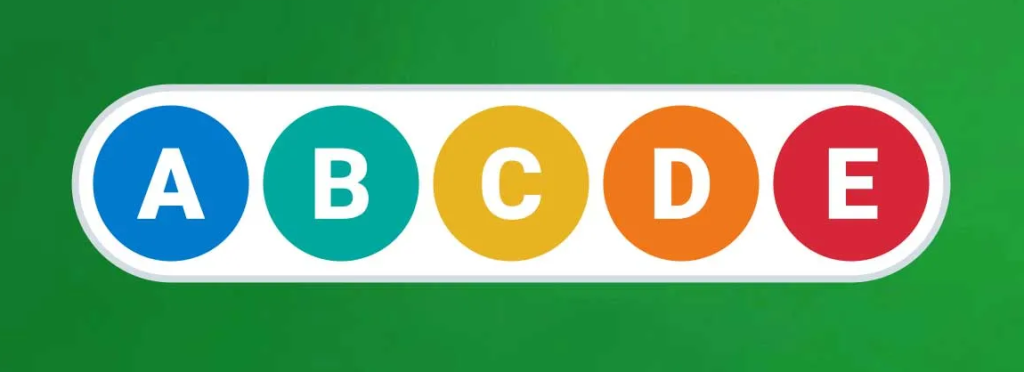
The lottery has launched a risk-profile indicator for each online game, using a letter scale from A to E and a colour code to signal the level of risk at a glance. At the lower end are slower, less intensive games. At the upper end are products with features more closely associated with harmful patterns of play, such as rapid results, stronger visual or audio stimuli, and the ability to play again immediately.
“With this indicator and its colour code, we are strengthening transparency around our online games and giving everyone a clear point of reference,” said Jannie Haek, the National Lottery’s chief executive. “It is additional information to the protection system already in place, in the service of prevention and player protection.”
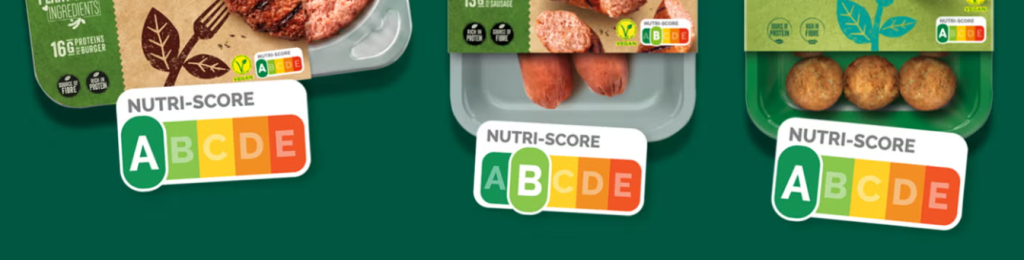
The Belgian operator says the classification is based on evidence, independent assessment and recognised criteria, including game speed, stake variability, win frequency and mechanics that may create “an illusion of control”. It says the tool should help players make “informed choices” while also shaping the level of safeguards attached to different games.
That idea has been gaining ground across the sector. Researchers and responsible-gambling specialists have increasingly argued that design tools once used to intensify play can also be repurposed to create friction, prompt reflection, and steer users towards safer habits. The British and Belgian initiatives suggest that the argument is moving from conference panels into live consumer products.
Malta’s shores are calling the iGaming world. From 03–05 May 2027, join SiGMA Europe, where 12,000 delegates and 400+ exhibitors gather for spring’s most exciting iGaming summit.


