


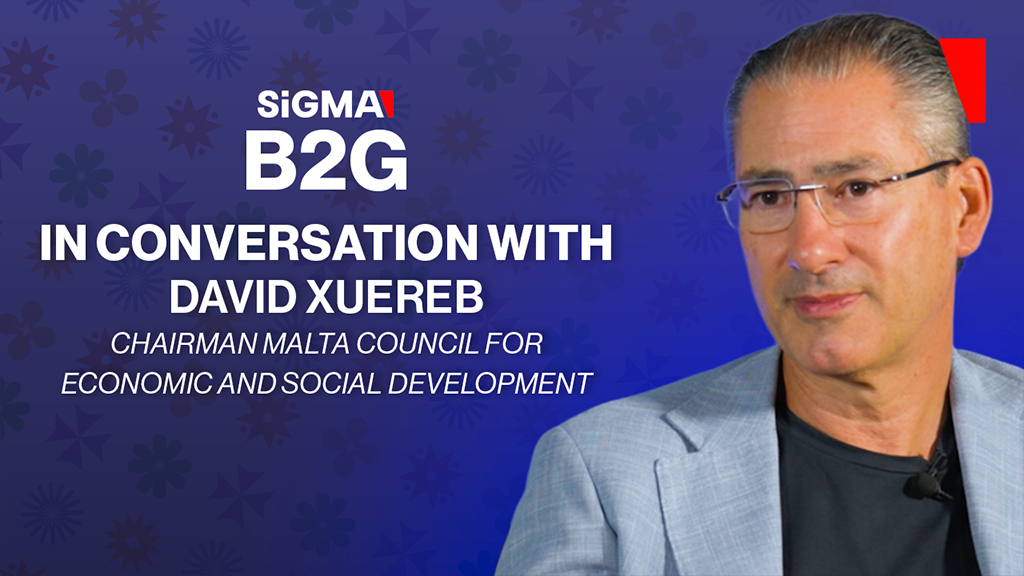
Malta’s economic and social future, according to David Xuereb, Chairman of the Malta Council for Economic and Social Development (MCESD), holds great promise if the country and its businesses effectively embed environmental, social, and governance (ESG) principles into decision-making. Speaking candidly about Malta’s trajectory, Xuereb argued that leadership maturity is no longer defined solely by financial performance but by the ability to anticipate risks and respond with strategies that reflect respect for people, resources, and governance structures.
ESG as a new benchmark
Xuereb noted that the most forward-looking executives now see ESG (Environmental, Social, and Governance) as central to long-term profitability and resilience. While traditional metrics like GDP remain relevant, progressive CEOs are increasingly considering environmental impact, workplace culture, and boardroom accountability. ESG, he explained, has become a “three-letter compass” for sustainable success.
He added that although some firms wait for regulation, the most advanced are already acting. Through initiatives such as the Malta ESG Alliance, larger companies are sharing knowledge and driving change across supply chains, helping SMEs and family-run businesses, key pillars of Malta’s economy, adopt ESG practices despite limited resources.
Family businesses at the crossroads
Family businesses form a significant share of Malta’s economic fabric, bringing with them resilience, commitment, and strong values. Yet Xuereb acknowledged the challenges of balancing family dynamics with corporate governance. He stressed the importance of recognising the distinction between the family dining table and the boardroom table.
One solution he advocated is introducing independent, non-family directors in minority, non-executive roles. Their expertise and outside viewpoint can assist family-run businesses to professionalise their governance structures, put transparent processes in place, and capture growth opportunities while maintaining their close-knit nature.
Creating a national vision
Outside of business, Xuereb spoke about the MCESD’s work towards developing a long-term vision for Malta. Following a period of extensive consultation, this vision is focused on three key pillars: sustainability, competitiveness and authenticity. Xuereb described the vision as a “North Star” to guide public policy, across all political parties, which would allow for resources to be allocated efficiently and ‘progress to be calibrated.
The vision places ESG at its core, embedding environmental protection, social well-being, and sound governance at both government and corporate levels. Xuereb underscored the importance of setting clear, quantifiable targets to hold leaders accountable and to reassure society at large that progress is measurable and on track.
The triple transition challenge
As Xuereb has noted, Malta should not only embrace the “twin transition” – digitalisation and sustainability – but also adopt a third, equally important dimension: skills. The ‘twin transition’ refers to the simultaneous move towards digitalisation and sustainability. At the same time, the third dimension of skills emphasises the importance of investing in education, training, and reskilling to keep up with the accelerating pace of technological change.
This challenge, he warned, extends beyond the younger generation. Mid-career professionals, older workers, and even retirees must be included in the transition. Xuereb sees value in tapping into the so-called “silver economy”, a term that refers to the economic potential of older people, where experienced individuals can mentor younger generations, particularly in areas such as emotional intelligence and social skills, while themselves benefiting from reskilling opportunities.
Leadership for the future
According to Xuereb, leadership in this new era should not be top-down. Leadership should be inclusive and collaborative, reflecting the expectations of younger generations. He called for leaders to create space for everyone, regardless of age or skill, to engage in developing business strategies and national policies.For more articles on this topic, visit the news page on the SiGMA Website.


