


BetMGM chief slams sweepstakes as gambling wars heat up

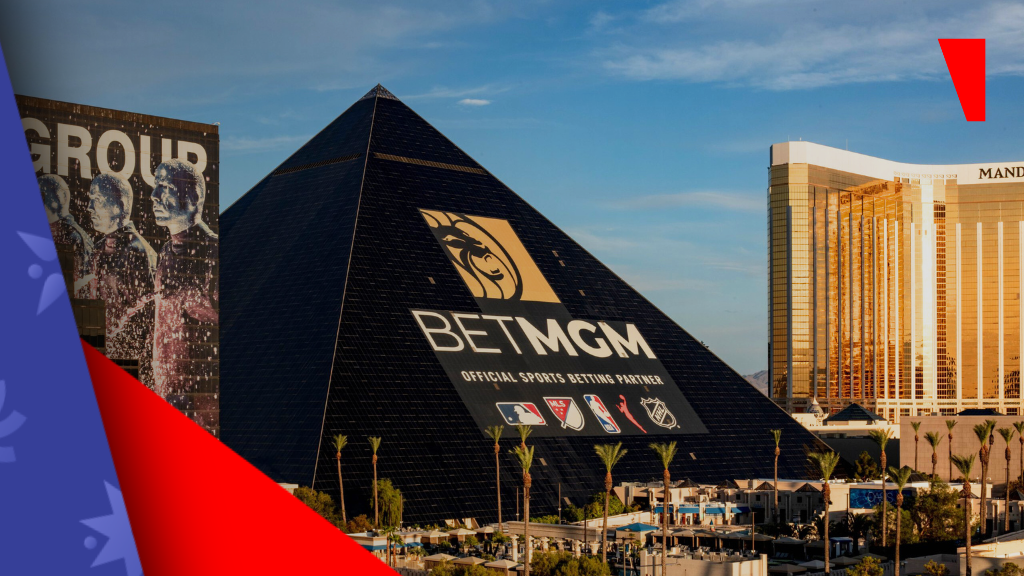
The American gambling landscape resembles a Wild West frontier these days, with regulatory battles brewing over what constitutes legitimate gambling. In a Q&A session on the company’s Q2 financial update, BetMGM’s Chief Executive, Adam Greenblatt, didn’t mince words about the industry’s most contentious issues, from sweepstakes casinos allegedly operating in legal grey areas to the emerging threat of prediction markets.
BetMGM has announced strong financial results, leading the company to boost its full-year revenue forecast to at least $2.7 billion. Amid this financial success, Greenblatt spoke openly about underlying frustrations within the gaming sector. His concerns go beyond typical corporate statements and genuinely reflect the worries of regulated operators who strictly follow the rules while competitors appear to exploit regulatory loopholes.
Sweepstakes under siege from multiple fronts
The sweepstakes casino sector finds itself increasingly embattled as 2025 progresses. What began as a clever interpretation of promotional law has evolved into a multi-billion-dollar industry that’s drawing fire from multiple directions. These platforms, which operate under a “no purchase necessary” model using dual currencies, have managed to offer casino-style gaming in states where traditional online gambling remains prohibited.
Greenblatt’s view is clear: “We believe sweeps should be illegal iGaming, and it’s bad for the regulated sector. It’s bad for state revenues. It’s bad for players.” It’s an opinion shared broadly across the industry. The American Gaming Association has been particularly outspoken about this, claiming illegal gambling operators took around $109 billion in bets during 2024, which may have cost the US up to $17.3 billion in lost tax revenue. But this isn’t just about money; it’s about fairness, market balance, and making sure rules apply equally to everyone.
Regulators haven’t held back. Montana led the charge with a full ban set to take effect in October 2025, and Connecticut and Louisiana quickly followed suit. States like Michigan and Washington have also stepped in, issuing cease-and-desist orders to major operators. The pressure has been so heavy that VGW Holdings, one of the biggest names in the space, opted to pull out of several states entirely rather than get caught up in legal fights.
Prediction markets present fresh challenges
While sweepstakes casinos are busy fending off legal challenges, prediction markets are posing a different kind of headache for regulators. Companies like Kalshi and Polymarket have managed to operate under federal commodity trading rules, giving them a green light to offer event-based contracts across the country. That has created a tricky situation, where state regulators are finding their authority undercut by decisions made at federal level.
Greenblatt’s response was measured, “Let me be clear; we have the ability. We do not have the desire to be a first mover. Our state regulators have been very clear. Our tribal partners have been very clear. Thirty-four states’ attorneys general have been very clear. They do not believe prediction markets should offer sports contracts because that is sports betting.“
His reasoning centres on liquidity advantages and the different skill sets required for success in prediction markets versus traditional sports betting. “The advantage is conferred by liquidity, not who gets there first,” he noted, suggesting that established financial firms like Robinhood and Coinbase might ultimately dominate these markets.
The prediction market space has become a legal battleground, with state attorneys general from 34 states arguing that sports-related contracts constitute sports betting and should fall under state jurisdiction. Yet federal courts have repeatedly sided with platforms like Kalshi, creating a patchwork of enforcement that varies by state.
Industry evolution amid regulatory uncertainty
What’s happening now raises bigger questions about where the US gaming industry is headed. Established operators like BetMGM have spent years securing licenses, staying compliant with state rules, and paying their share in taxes. But lately, they’ve been watching new players enter the space through legal loopholes that allow them to bypass much of that effort.
This isn’t some abstract concern. In 2024 alone, sweepstakes casinos pulled in around $8.5 billion, marking the first time they outpaced regulated iGaming. Prediction markets have seen a surge too, with more than $3 billion reportedly staked on election outcomes. It’s clear there’s strong demand, and a growing number of players are gravitating toward these alternative ways to bet.
But the regulatory response has been all over the place. Some states have taken strong action, cracking down on both sweepstakes and prediction markets, while others have done very little. That uneven approach is creating a lopsided playing field, and for operators that follow the rules, it’s becoming harder to compete.
The gaming industry’s future likely depends on how regulators resolve these fundamental questions about competition, consumer protection, and market fairness. Greenblatt’s comments suggest established operators won’t remain passive observers whilst newer entrants potentially reshape the competitive landscape through regulatory arbitrage.
Whether through legislative action, regulatory enforcement, or market forces, the current period of uncertainty seems destined to reach resolution. The question remains whether that resolution will favour established operators who’ve embraced traditional regulation, or innovative platforms that have found creative ways to serve consumer demand whilst navigating legal complexities.


