


Australia urged to regulate blind boxes over gambling concerns


Australia is facing growing calls to regulate the booming blind box toy market, amid warnings from experts that the popular collectables may encourage gambling-like behaviour, particularly among young consumers.
Blind boxes, sealed packages containing a random toy or figurine, have surged into a billion-dollar global industry. Major brands such as Pop Mart, along with viral collectables like Labubu and Smiski, have driven the trend, with some enthusiasts reportedly spending hundreds or even thousands of dollars chasing rare items. According to reporting by 9News, concerns are mounting that the mechanics behind blind boxes closely resemble those used in gambling.
Experts warn of gambling-like behaviour
Alliance for Gambling Reform spokesperson Mark Kempster said the concept of paying for an unknown outcome mirrors gambling practices. “When you’re buying something with an unknown outcome, it’s the same as gambling,” he said, adding that similar patterns are already seen in trading cards and other collectable markets across Australia.
The concern is not limited to Australia. Regulators in Singapore have already flagged the risks. The country’s Gambling Regulatory Authority has begun exploring measures to reduce potential harm, particularly among younger audiences. Board member Cecilia Chu warned that blind boxes could expose youth to gambling behaviours early in life, increasing long-term risks.
In February, Singapore started drafting new rules to regulate the sale of blind box products following concerns that the marketing strategy may encourage gambling-like behaviour. The move came as mystery shopping products continue to grow worldwide and attract strong consumer demand.
The psychology behind blind box addiction
Consumer behaviour expert Gary Mortimer from the Queensland University of Technology explained that the appeal of blind boxes lies in the psychological reward system they trigger. Buyers experience a surge of dopamine, the brain’s “feel-good” chemical, when opening the box, driven by anticipation and surprise. This emotional response is similar to what people feel when gambling.
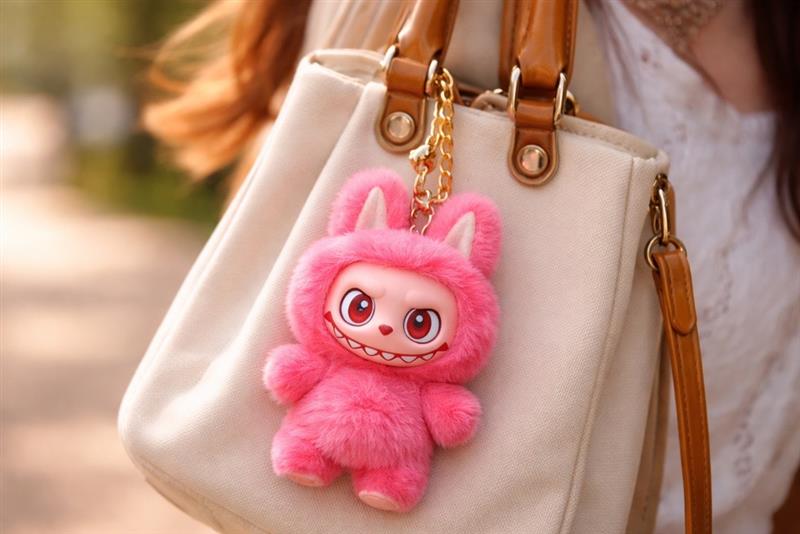
Mortimer linked this behaviour to Burrhus Skinner’s theory of Operant Conditioning, which shows that unpredictable rewards are particularly effective at reinforcing repeated behaviour. “If rewards are predictable, people lose interest quickly. But when outcomes are uncertain, behaviour becomes much harder to stop,” he explained.
Spending patterns raise further concerns
Financial analysis has also highlighted how uncertainty drives higher spending. Research from ANZ, found that consumers are more likely to continue purchasing blind boxes if they fail to obtain a desired item early on.
According to ANZ’s research, “People don’t know which one they’ll get, so they keep buying until they find the one they want. If they don’t find it in the first few boxes, they may feel that they can continue buying further – since they already have bought a few.” This “chasing” behaviour, where buyers keep spending in hopes of eventually securing a rare collectable, has drawn direct comparisons to gambling habits.
Calls for education and regulation
Advocates are now urging Australian authorities to follow international examples by introducing both regulation and education initiatives. Kempster emphasised the need for school-based programs to help young people understand the risks associated with gambling-like products. “You need to understand the pitfalls and the issues that can come from it if you fall into it at a young age,” he said.
Asia’s undisputed regional heavyweight lands in Manila, 01–03 June 2026. Backed by PAGCOR and powered by 16,000 delegates, SiGMA Asia delivers two levels of game-shaping influence. If you’re serious about the region, this is the room for you.


