


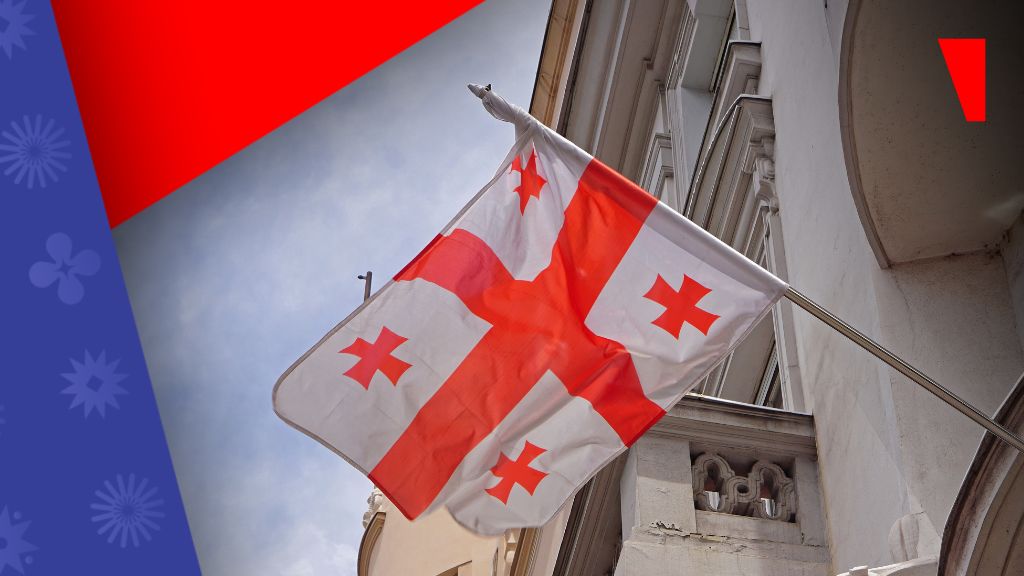
Georgia has placed more than 1.5 million citizens on a national gambling exclusion register, making it one of the most aggressive regulatory interventions against gambling seen anywhere in Central Asia & Europe.
According to figures released by the country’s Revenue Service, a total of 1,577,247 people were listed on the exclusion registry by the end of 2025. The figure meets a target set by former prime minister Irakli Garibashvili, who had pledged to block at least 1.5 million citizens from gambling activities. With Georgia’s population standing at roughly 3.7 million, the data suggests that close to half the country’s residents are now prohibited from gambling.
The scale of the exclusions shows a larger government effort to address what officials have described as a growing public health and social issue. Gambling addiction, notably among younger adults, has been repeatedly cited by policymakers as a source of household debt, family breakdown, and declining productivity.
Only 36K opted for self-exclusion
Despite the headline number, official data show that voluntary self-exclusion remains limited. Only around 36,000 people chose to exclude themselves from gambling owing to fears regarding harmful behaviour. A further 62 individuals were added through court orders.
Most exclusions were performed automatically or through digital applications submitted via the Revenue Service’s online portal and Videocall.rs.ge platform. While the exact consequences of violations or unauthorised access are currently unknown, it is probable that penalties or imprisonment could result.
Under Georgia’s gambling laws, certain categories of citizens are automatically placed on the exclusion list. These include public-sector employees and persons with criminal records. Authorities claim that these groups are either financially vulnerable or face likely conflicts of interest, making restrictions necessary to prevent harm and corruption.
Responsibility for overseeing the exclusion register was formally transferred to the Revenue Service in 2025, following amendments to the country’s gambling legislation. The move expanded the agency’s role beyond tax collection, making it responsible for monitoring licensed gambling operators and enforcing compliance with exclusion rules.
Legal gambling age increased
These measures followed a series of regulatory changes introduced in 2024, most notably the decision to raise the legal gambling age to 25. The move placed Georgia among the strictest jurisdictions in Europe in terms of age restrictions, with officials arguing that younger adults are particularly susceptible to gambling addiction and financial distress.
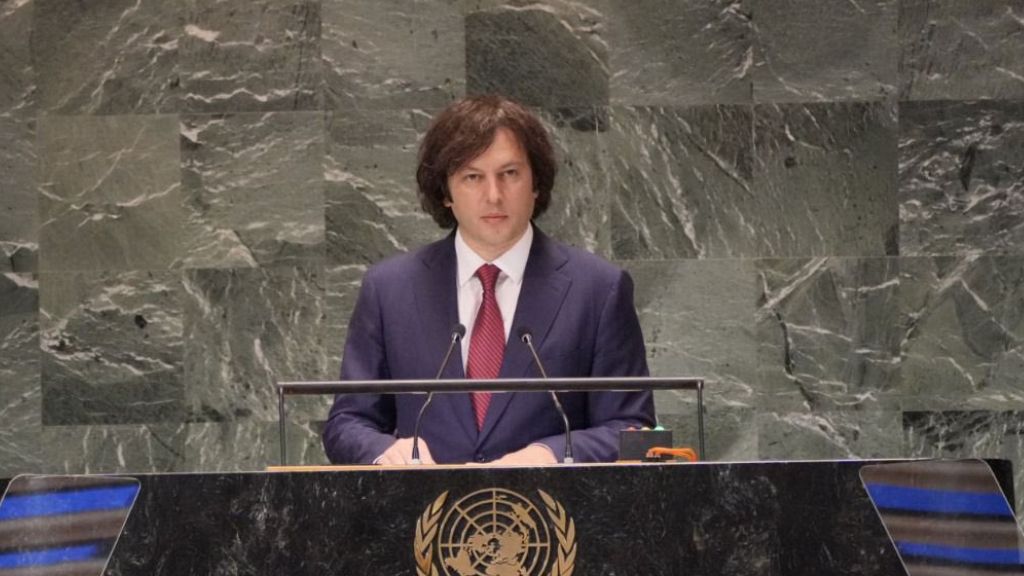
Although Garibashvili stepped down in 2024, his successor Irakli Kobakhidze, also from the ruling Georgian Dream party, has continued the policy direction. Under Kobakhidze’s leadership, gambling venues are now required to use biometric identification systems to verify customers’ identities and prevent excluded individuals from accessing gambling services.
The regulatory overhaul has also reshaped the industry’s economic landscape. Gambling licence holders are now subject to a 15 percent tax on gross gaming revenue, increasing the cost of operating in the Georgian market. In addition, Georgian citizens must pay a five percent personal income tax on gambling withdrawals.
Foreign players allowed to gamble
Foreign players, however, are exempt from these charges. The government has maintained that gambling in Georgia should primarily provide for international visitors, while domestic participation should be tightly controlled to protect citizens’ economic security and general welfare.
While supporters argue the measures represent a robust response to gambling-related harm, critics warn that such extensive restrictions could drive players towards unregulated or offshore platforms, possibly damaging consumer protection.
Be part of the action! Join the world’s biggest iGaming community with SiGMA’s Top 10 News countdown. Subscribe HERE for weekly updates, insider insights, and exclusive subscriber-only offers.


