


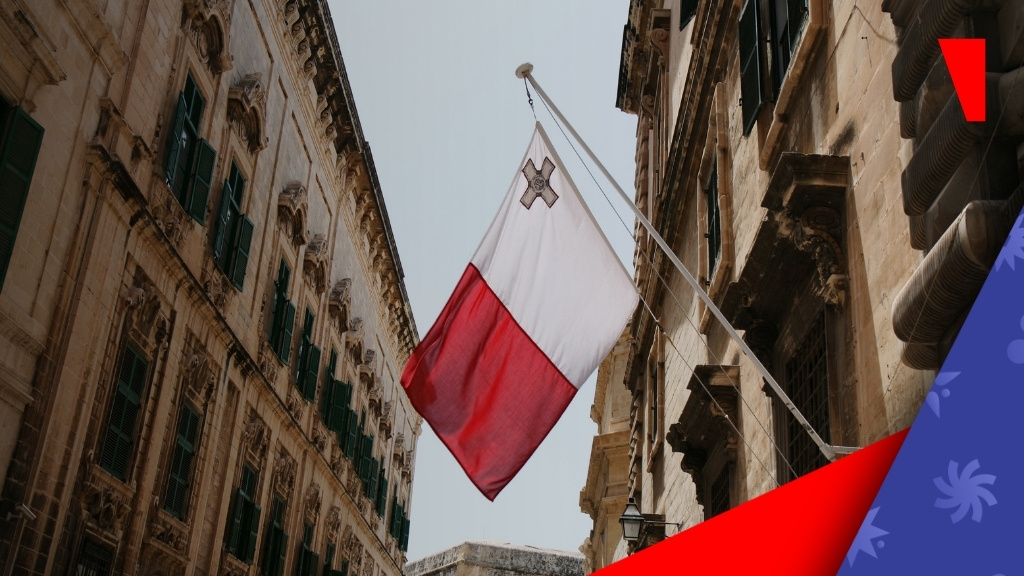
Malta is considering whether to become one of the first European countries to set out a clear legal framework for prediction markets, a fast-growing sector that sits awkwardly between gambling and trading.
Speaking at an event in Malta on Tuesday, Economy Minister Silvio Schembri said the government was looking closely at the sector. In remarks first reported by Business Now, he said: “We are actively exploring the emerging field of prediction markets, an area experiencing rapid global momentum which presents significant opportunities for innovation, provided it is supported by clear, forward-looking legislative framework that enables it to develop responsibly and at scale.”
Prediction markets allow users to trade on the outcome of future events, from elections and economic data to sports fixtures and geopolitical flashpoints. Supporters argue they offer forecasting value. Critics say many products amount to little more than betting under another name.
Schembri cast the issue as part of Malta’s broader effort to stay ahead of emerging digital sectors. “We recognised early on that users need to feel safe if this industry was going to grow, which means it needed to uphold the highest standards of transparency and compliance,” he said, drawing a comparison with Malta’s early move into crypto regulation in 2018.
A market growing faster than the rules
The attraction is obvious. According to the Business Now report, US-based platforms Polymarket and Kalshi recorded an estimated combined wagering volume of more than $37bn in 2025. But outside the US, regulation remains unsettled, and even in America lawmakers are struggling to decide whether these products belong under financial rules or gambling law.
That uncertainty was underlined this week by bipartisan legislation introduced in Washington. Democratic Senator Adam Schiff said sports prediction contracts are “sports bets — just with a different name”, while Republican Senator John Curtis warned that young people were being exposed to “addictive sports betting and casino-style gaming contracts” that should be regulated by states, not by federal market authorities.
The proposed US bill is aimed at sports-linked contracts, but its political message is broader. Regulators and lawmakers are increasingly being forced to decide whether prediction markets are genuinely distinct from wagering, or whether the distinction is largely cosmetic.
That tension is now central to Malta’s debate. Any attempt to craft a framework would have to answer a basic question that other jurisdictions have still not settled: what, exactly, is being regulated?
Other jurisdictions are already taking sides
Some regulators have moved faster, even if they have not all landed in the same place. In February, the UK Gambling Commission took a firm line, saying: “Whilst the presentation of prediction markets may differ, their core aspects are akin to what in the UK would be described as a ‘Betting Exchange’.” It added that, in Great Britain, such operators “would not be able to classify themselves as non-gambling products”.
Elsewhere, smaller licensing centres are trying to turn that uncertainty into an opportunity. In Anjouan, officials and industry advisers are openly courting the sector. Gilad Oren, chief executive of GBO International Financial Services, said the jurisdiction’s strength was “classification clarity” and argued that prediction markets should not be treated as an oddity. “It does not treat prediction markets as a novelty category,” he said.
For Malta, that offers both a warning and an opening. The island has a long record of trying to move early in regulated digital sectors. What ministers appear to see is the chance to shape a new market before the rest of Europe catches up.
Stay ahead of iGaming’s biggest stories with SiGMA’s Top 10 News countdown. The world’s biggest iGaming community brings you weekly insights and subscriber-only offers. Join HERE today.


